







Breaching the Perimeter: How the Handala Group Compromised Kash Patel’s Personal Data
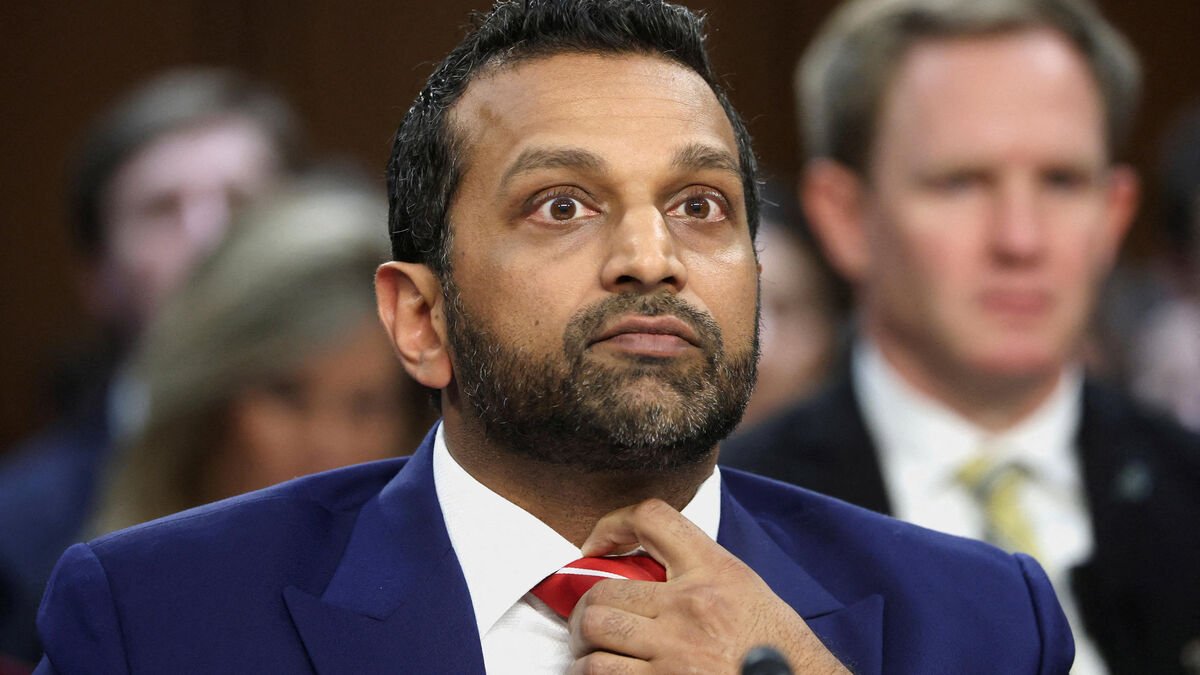
The Vulnerability of Personal Infrastructure in High-Stakes Intelligence
While the federal government spends approximately $12.7 billion annually on civilian cybersecurity, a single personal email account remains the most efficient entry point for state-sponsored actors. The recent data exfiltration targeting Kash Patel, the incoming FBI Director, underscores a recurring failure in the security protocols of high-ranking officials. The Handala group, a collective frequently linked to Iranian interests, has released a cache of private photographs and email correspondence that predates Patel's latest appointment.
This breach follows a pattern of social engineering and credential harvesting aimed at the inner circles of the U.S. executive branch. By bypassing the hardened defenses of government servers (.gov domains), attackers successfully exploited the weaker security posture of commercial service providers. Data from the Cybersecurity and Infrastructure Security Agency (CISA) indicates that 47% of successful initial access attempts in 2023 occurred through compromised personal credentials or unmanaged devices.
The Mechanics of Information Warfare and Data Leakage
The Handala group utilized a strategy defined by persistence rather than sheer technical complexity. By targeting personal archives, the group accessed historical data that provides a blueprint of Patel’s professional network and personal habits. The released materials, which include intimate family photos and sensitive correspondence, serve a dual purpose: psychological intimidation and long-term intelligence gathering.
- Lateral Movement: Hackers use personal contacts to map out the social graph of their primary target, identifying secondary targets who may have less rigorous security.
- Credential Stuffing: Researchers believe the breach likely stemmed from reused passwords across multiple non-government platforms.
- Information Laundering: The group leaked the data through Telegram channels and dark web forums to maximize visibility before mainstream media outlets could verify the contents.
The timing of this release is not coincidental. It aligns with the transition period of the incoming administration, a window identified by intelligence analysts as the highest-risk period for data theft. During these months, officials often communicate across fragmented systems as they move between private roles and public service. This lack of continuity creates a 72-hour window where a single phished credential can remain undetected by federal monitoring tools.
Quantifying the Risk to National Security Operations
The financial and operational cost of such a breach extends far beyond the immediate privacy violation. When a high-level intelligence official is compromised, the cost of rotating security clearances and re-securing sensitive communications can exceed $5 million per incident. Furthermore, the exposure of metadata—such as geolocation tags in personal photos—provides foreign intelligence services with a physical record of an official's movements over several years.
"The threat from Iranian-affiliated cyber actors is evolving from simple disruption to sophisticated influence operations designed to undermine trust in leadership,"
This statement from a senior cybersecurity analyst at a major defense firm highlights the shift in adversary tactics. No longer content with merely disabling websites, groups like Handala are now focused on the long-term weaponization of personal data. They use the 85% overlap often found between an individual's personal and professional digital identities.
The current trajectory of state-sponsored hacking suggests that personal devices will remain the primary theater of conflict for the next 24 months. As federal agencies tighten their internal networks, the defensive burden shifts to the individual. By the end of 2025, we should expect a mandatory requirement for all cabinet-level nominees to undergo a comprehensive digital forensic audit of their personal accounts prior to confirmation, a move that would fundamentally alter the vetting process for public office.
Videos UGC avec avatars IA — Avatars realistes pour le marketing