







Digital Footprints and the Hidden Risks of Travel Geolocation
The Price of Constant Tracking
Mobile geolocation services have become standard travel companions, yet their persistent use creates significant security and environmental liabilities. When travelers broadcast their real-time coordinates, they exchange personal privacy for convenience. This digital trail often leads to unintended consequences that affect both the individual and the destination.
Frequent location tagging feeds data brokers and advertising networks that profile user habits. These insights allow companies to predict future movements and spending patterns. Beyond marketing, this data remains vulnerable to breaches, potentially exposing a user's exact physical history to malicious actors.
Security Risks and Home Safety
Sharing live locations on social media or public apps signals more than just current enjoyment. It provides a clear indicator that a primary residence is unoccupied. Professional thieves monitor digital footprints to identify targets for residential burglaries while owners are abroad.
- Publicly accessible check-ins confirm the duration of an absence.
- Photos with metadata reveal the specific layout of visited sites.
- Real-time updates allow criminals to track a traveler's distance from home.
Personal safety during the trip is also at stake. Persistent tracking makes it easier for strangers to predict a traveler's daily routine. Disabling non-essential location permissions reduces the risk of physical stalking in unfamiliar cities.
Overtourism and Environmental Impact
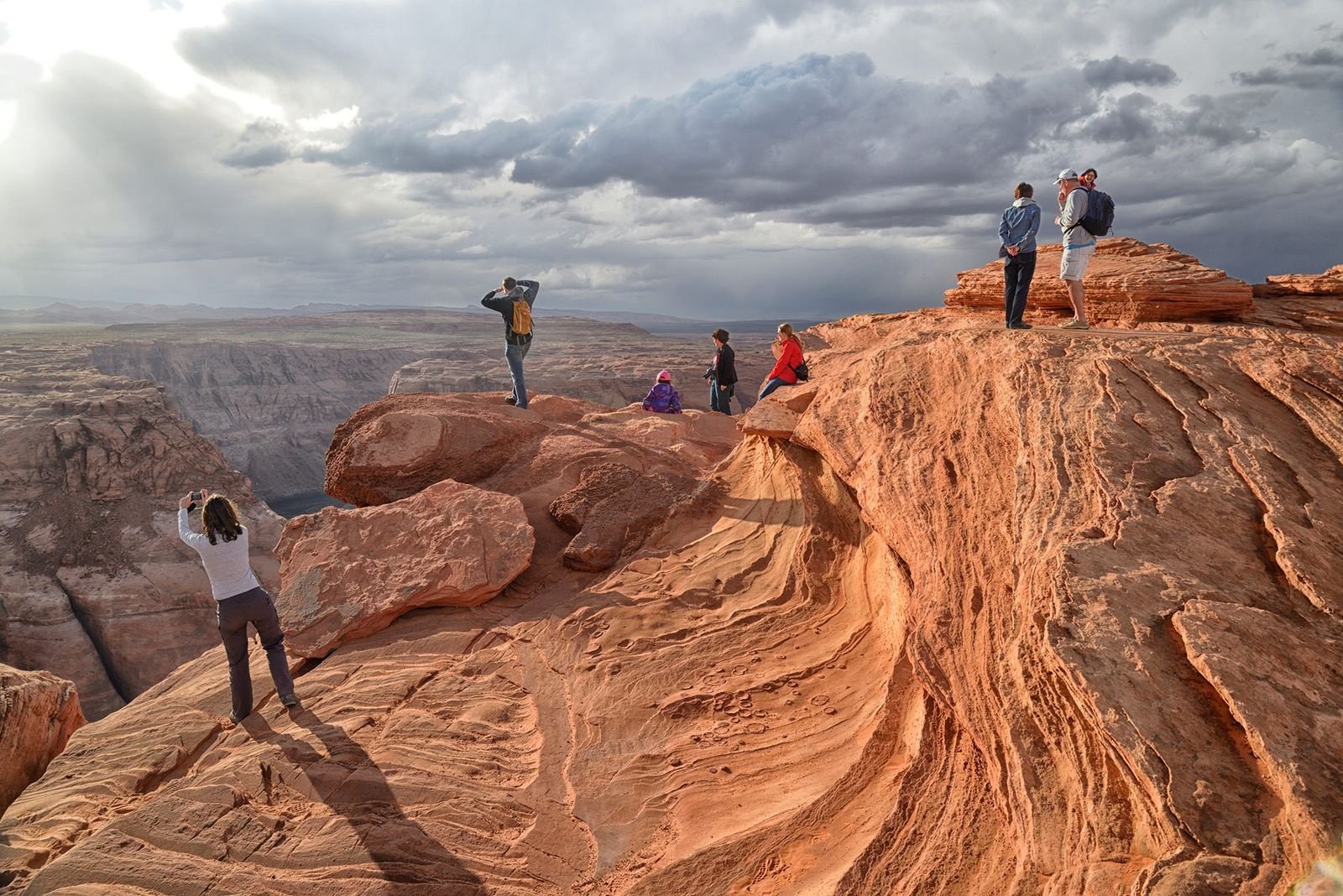
The aggregation of location data by mapping services and social platforms directly contributes to the degradation of fragile ecosystems. Algorithms prioritize popular spots, funneling massive crowds into areas unable to support high foot traffic. This concentration leads to soil erosion, noise pollution, and the displacement of local residents.
Hidden gems quickly become overcrowded hubs when their coordinates are widely shared. This phenomenon destroys the quiet appeal that originally attracted visitors. By keeping locations private, travelers help preserve the integrity of off-the-beaten-path destinations.
- Geotags encourage competitive photography over genuine exploration.
- Local infrastructure often buckles under sudden, algorithm-driven spikes in visitors.
- Disturbing wildlife becomes more common as GPS coordinates lead crowds to sensitive habitats.
Maintaining digital anonymity helps distribute tourism more evenly across different regions. This approach supports smaller local economies that do not appear on high-traffic digital maps.
Observers should monitor how upcoming privacy regulations might restrict the automated collection of travel telemetry.

Convertir PDF en Word — Word, Excel, PowerPoint, Image