







Netflix’s High-Stakes Bet on the Cyber-Vigilante Economy
The Commoditization of Cyber-Violence
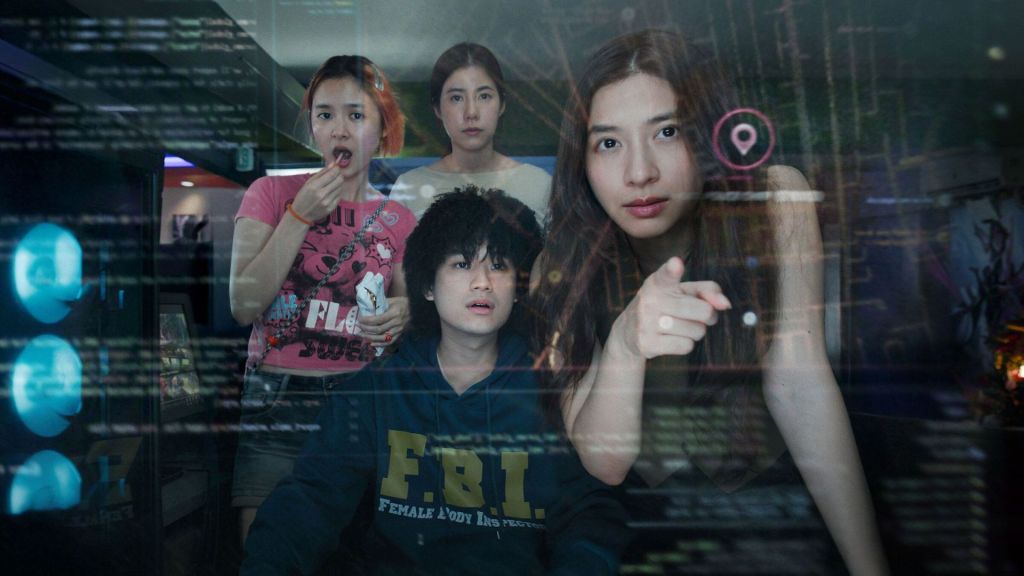
Netflix is not just buying content; it is buying into a specific cultural anxiety regarding digital vulnerability. With the upcoming release of its thriller, it is targeting the intersection of domesticity and high-stakes cyber espionage. By framing suburban protagonists as elite hackers, the platform is betting on the relatability of asymmetric warfare—where a laptop is more lethal than a firearm.
The business logic here is simple: audience retention relies on tapping into the collective fear of the digital age. Most viewers do not relate to military special ops, but they do relate to the feeling of being violated by a digital breach. This series commoditizes that fear, turning the technical complexities of hacking into a digestible, high-octane narrative for a global subscriber base.
From a unit economics perspective, these types of psychological thrillers often outperform high-budget sci-fi because they rely on tension and script rather than expensive CGI. Netflix is maximizing its Content ROI by focusing on the 'low-cost, high-impact' thrill of cybercrime. They are effectively scaling a niche genre into a mass-market staple.
The Moat of Relatable Complexity
Netflix’s competitive advantage lies in its ability to take complex technical concepts—like social engineering and data mining—and package them within a familiar social structure. This isn't about state-sponsored hackers in dark basements; it's about the erosion of the boundary between private life and global networks. The GTM strategy revolves around the shock value of seeing 'ordinary' figures master extraordinary tools.
- Market Penetration: By shifting the focus to female-led cybercrime, Netflix is diversifying its thriller portfolio to capture demographics that historically opt for true crime over technical dramas.
- Strategic Timing: Launching in March 2026, the series aims to capitalize on the increasing public discourse regarding AI-driven surveillance and data privacy.
- Platform Stickiness: High-tension serials are the primary drivers of low churn rates, as they encourage binge-watching and social media discourse.
The series serves as a case study in how entertainment giants are forced to innovate their tropes. The 'lone wolf' hacker is dead. The new archetype is the networked individual using open-source intelligence to settle personal scores. This shift reflects a broader market trend where the tools of disruption are now in the hands of the consumer.
This story isn't about code; it's about the lengths people go to when the system fails them and they realize they have the power to dismantle it from their kitchen table.
Who Wins and Who Loses in the Streaming Wars
In this dynamic, the winner is the platform that can produce high-quality, mid-budget drama that travels well across borders. Cybercrime is a universal language. Whether you are in Seoul, Paris, or New York, the mechanics of a digital sting operation remain the same. This allows Netflix to amortize production costs across 260 million subscribers with minimal localization friction.
The losers are the traditional network broadcasters who still rely on the 'police procedural' format. Those legacy models are too slow to adapt to the reality of modern conflict, which is increasingly fought in the application layer of our daily lives. Netflix is moving faster, securing the IP that reflects our current technological anxiety before the competition even recognizes the shift.
Success in the 2026 content cycle will be defined by narrative velocity. If a show can't explain the stakes of a data breach within the first ten minutes, it will lose the battle for attention. Netflix is betting that by adding a domestic layer to the cyber-thriller, they can sustain engagement through emotional resonance rather than just technical jargon.
My bet is on the continued dominance of the domesticated thriller. I would invest in studios that are moving away from capes and towards keyboards. The next decade of media consumption will be dominated by stories of the invisible war. If you want to win the streaming wars, you don't need a bigger explosion; you need a more terrifying notification sound.
Videos Faceless — Shorts viraux sans montrer son visage