







Operation Cactus: The Day France Set a Trap for Nine Million Students
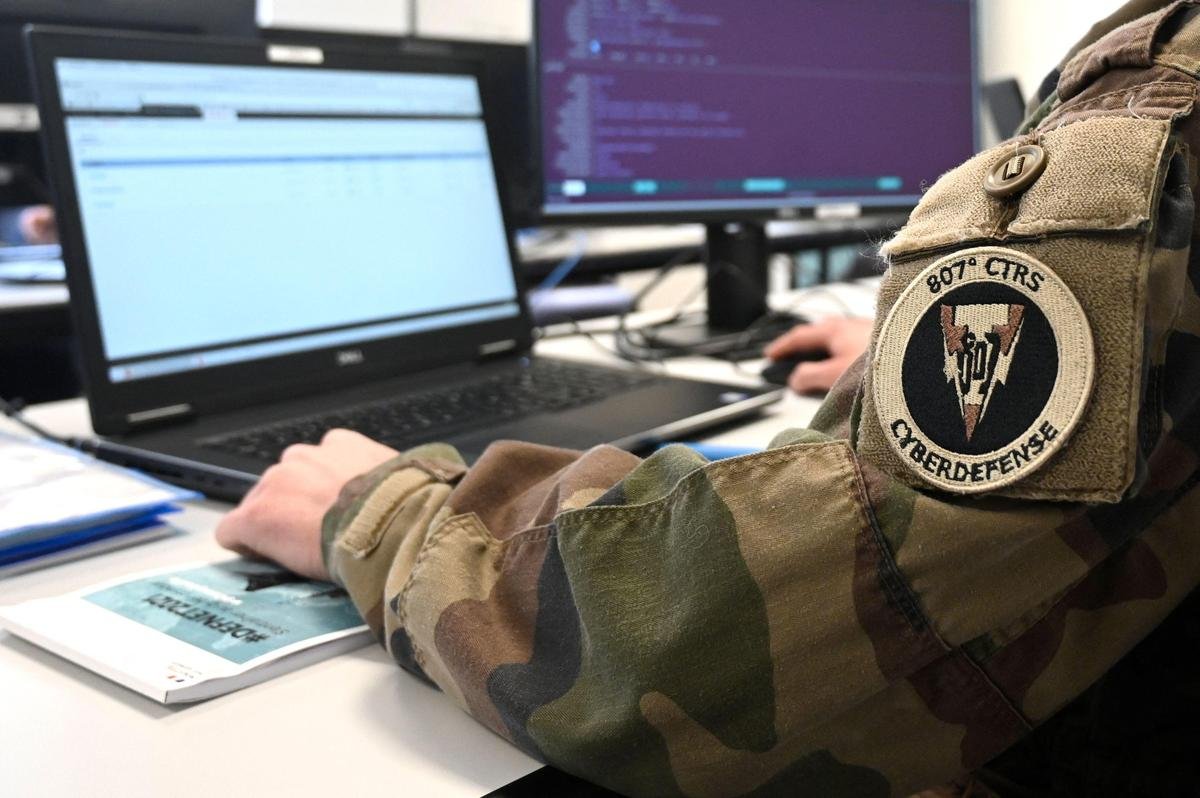
A teenager in a quiet suburb of Lyon stares at his phone while eating breakfast. A notification blinks from his school portal, an urgent request to verify personal details or face a temporary lockout from his grades. Without much thought, his thumb hovers over a link that looks legitimate enough to pass a casual glance. He is not alone. At that exact moment, millions of others across France are facing the same digital crossroad.
This was the opening volley of Operation Cactus. Instead of a malicious hacker lurking in a basement, the entity behind the screen was the French government itself. It was a massive, nationwide experiment designed to see exactly how easy it is to trick an entire generation of digital natives and their parents.
The Ministry of Education decided that lecturing people about cybersecurity was no longer working. They needed to show them the teeth of the wolf. By sending out a controlled, fake phishing campaign to over nine million people, they turned the national school system into a giant classroom for digital defense.
The Psychology of the Click
Phishing works because it preys on the friction of daily life. We are tired, we are in a hurry, and we trust the institutions that manage our children's education. Operation Cactus leaned into these human vulnerabilities by mimicking the exact tone and visual style of official school communications. It didn't use obvious spelling errors or strange foreign domains that usually give the game away.
When a student or parent clicked the link, they weren't greeted by a malware prompt or a ransom note. Instead, they landed on an educational landing page. It was a gotcha moment, but one with a safety net. The page explained the red flags they had missed: the slightly off URL, the manufactured sense of urgency, and the request for sensitive data via email.
The digital world is no longer a separate place we visit; it is the very fabric of how a child learns and a parent stays involved.
The scale of the operation is what sets it apart from typical corporate IT training. We are talking about a demographic that spans from tech-savvy teenagers to grandparents who struggle with two-factor authentication. By casting such a wide net, the government gathered raw data on which groups are most susceptible to social engineering.
Rewiring the Instinct to Trust
Cybersecurity experts often argue that the human element is the weakest link in any security chain. You can have the most expensive firewalls in the world, but they mean nothing if a staff member hands over their password to a convincing voice on the phone. Operation Cactus suggests that the only way to strengthen that link is through repeated, simulated exposure to danger.
Educators involved in the project noted that the goal wasn't to shame those who clicked. It was to build a healthy sense of skepticism. In a world where deepfakes and AI-generated scams are becoming the norm, a reflexive pause before clicking is becoming a vital life skill. It is about moving from blind trust to a mindset of verification.
Initial feedback from schools suggests that the campaign sparked conversations at the dinner table that no pamphlet ever could. Parents and children were comparing notes on whether they fell for the ruse. This social ripple effect is exactly what the Ministry hoped for—a collective awakening to the reality of digital threats.
The Long Game for Digital Sovereignty
There is a broader geopolitical context to this massive drill. European nations are increasingly worried about the security of their public infrastructure. Schools hold vast amounts of personal data that are highly valuable on the dark web. By hardening the 'human firewall' of the education sector, France is attempting to protect its future citizens from identity theft and state-sponsored interference.
The lessons learned from Operation Cactus will likely influence how other government departments handle security training. It shifts the burden of defense from the IT department to the individual. If nine million people learn to spot a fake link today, the real attackers will have a much harder time tomorrow.
As the sun set on the day of the test, millions of French citizens were left with a slightly different relationship with their inbox. The teenager in Lyon might think twice next time a notification pops up demanding his attention. The question remains: how long will that skepticism last before our natural urge to trust takes over again?

Createur de videos IA — Veo 3, Sora, Kling, Runway