







The Four-Second Heist: How a Tiny USB Drive Pierced Windows 11’s Armor
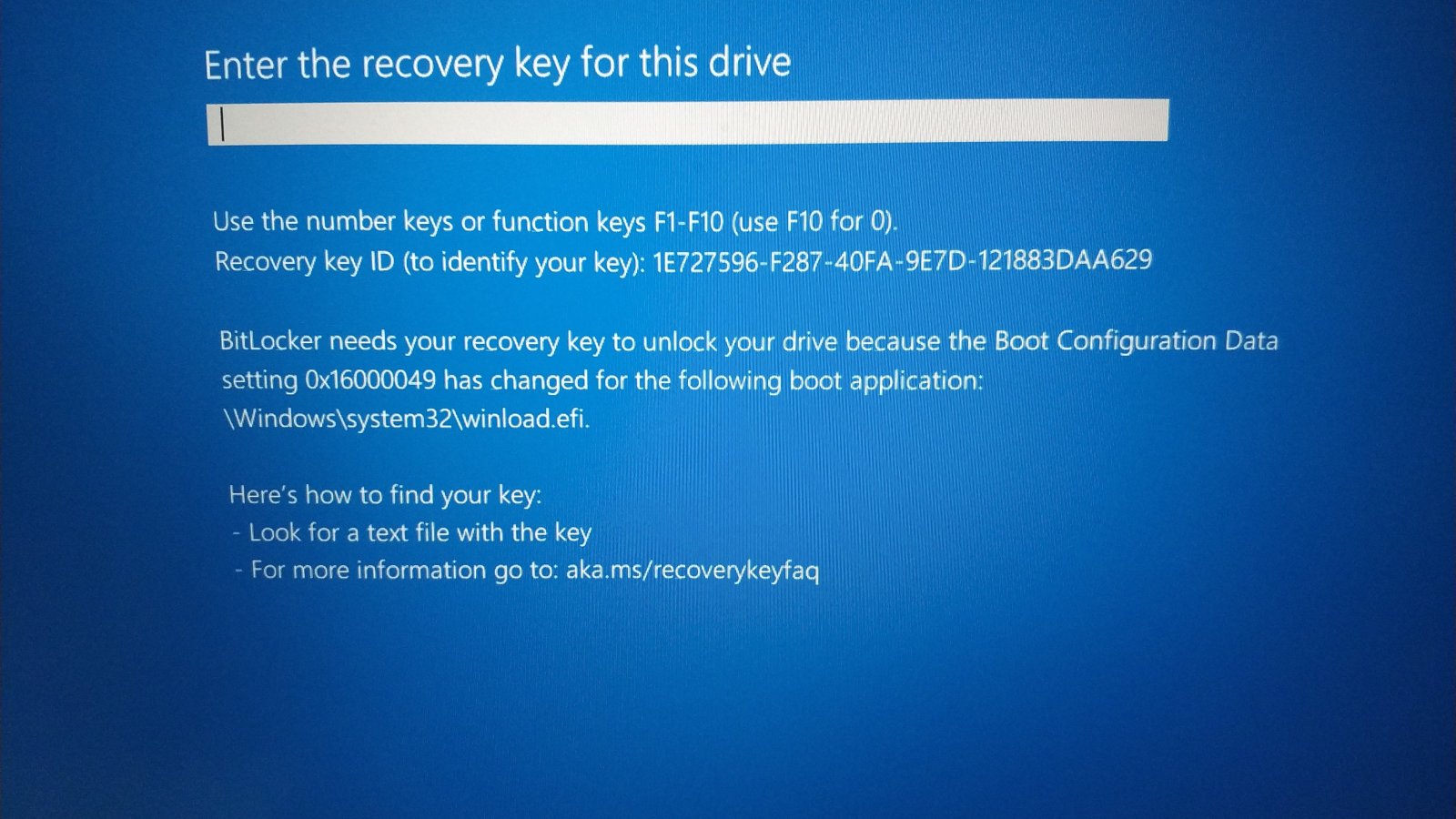
A researcher sat at a desk in a quiet home office, staring at a standard laptop. Between the keyboard and the user’s hand sat a tiny piece of hardware, the kind of gadget you might find in a bargain bin for five dollars. Within seconds, the supposedly impenetrable wall of Windows 11 encryption didn't just crack; it vanished. The data, which Microsoft promised was safe behind layers of military-grade security, spilled out onto the screen in plain text.
This is the reality of a newly identified vulnerability in BitLocker. For years, the tech industry has treated hardware-based encryption as the gold standard for protecting stolen or lost hardware. It turns out that the physical path between your data and its protector is more like a wide-open highway than a locked tunnel. If you have physical access to the machine, the game is already over.
The Secret Language of the Motherboard
To understand why this happens, you have to look at the silent conversation happening inside your computer. Most modern PCs use a Trusted Platform Module, or TPM. This is a dedicated chip that acts as a gatekeeper, holding the cryptographic keys that lock your hard drive. When you turn on your computer, BitLocker asks the TPM for the key, and the TPM hands it over so Windows can boot up.
The problem isn't the lock or the key itself; it's the hallway. In many laptops, the TPM communicates with the processor via a bus—a series of microscopic physical tracks on the motherboard. This communication is often unencrypted. By tapping into these tracks with a simple logic analyzer or a modified USB device, an attacker can literally listen to the key as it travels from the chip to the CPU.
The most sophisticated digital lock in the world is useless if the key is handed over in clear view of a spectator.
Security experts have known about this theoretical risk for some time, but the ease of execution has reached a startling new level. What used to require a laboratory and a PhD can now be done with off-the-shelf components. It essentially takes the 'brute' out of brute force, replacing hours of guessing passwords with a few seconds of electronic eavesdropping.
A Patchwork of Physical Trust
Microsoft hasn't left users entirely in the dark, but the fix isn't as simple as a software update. The vulnerability exists because of how hardware manufacturers choose to wire their machines. While some high-end devices use encrypted communication channels between the TPM and the processor, many budget and mid-range laptops skip this step to save on complexity and cost. It is a classic trade-off between convenience and absolute security.
For the average startup founder or digital marketer, this translates to a precarious reality. If a laptop is left in a hotel room or snatched at a coffee shop, the encryption might only be a deterrent for the casual thief. A sophisticated actor with five minutes of privacy could clone the entire drive. This realization is forcing a shift in how IT departments think about mobile hardware and the physical security of their fleets.
The industry is now looking toward a future where the TPM is integrated directly into the processor, eliminating the physical tracks that can be tapped. Until that becomes the standard, users are left to rely on additional layers of security, like BIOS passwords or secondary authentication tokens. It serves as a reminder that in the digital world, the weakest link is often a physical one made of copper and solder.
As we pack our bags for the next conference or remote work stint, we might want to look at our sleek aluminum laptops a bit differently. The protection we rely on might just be waiting for the wrong person to plug in a five-dollar cable.
Videos UGC avec avatars IA — Avatars realistes pour le marketing