







The Ghost in the Grid: Digital Attrition and the New Siege Warfare
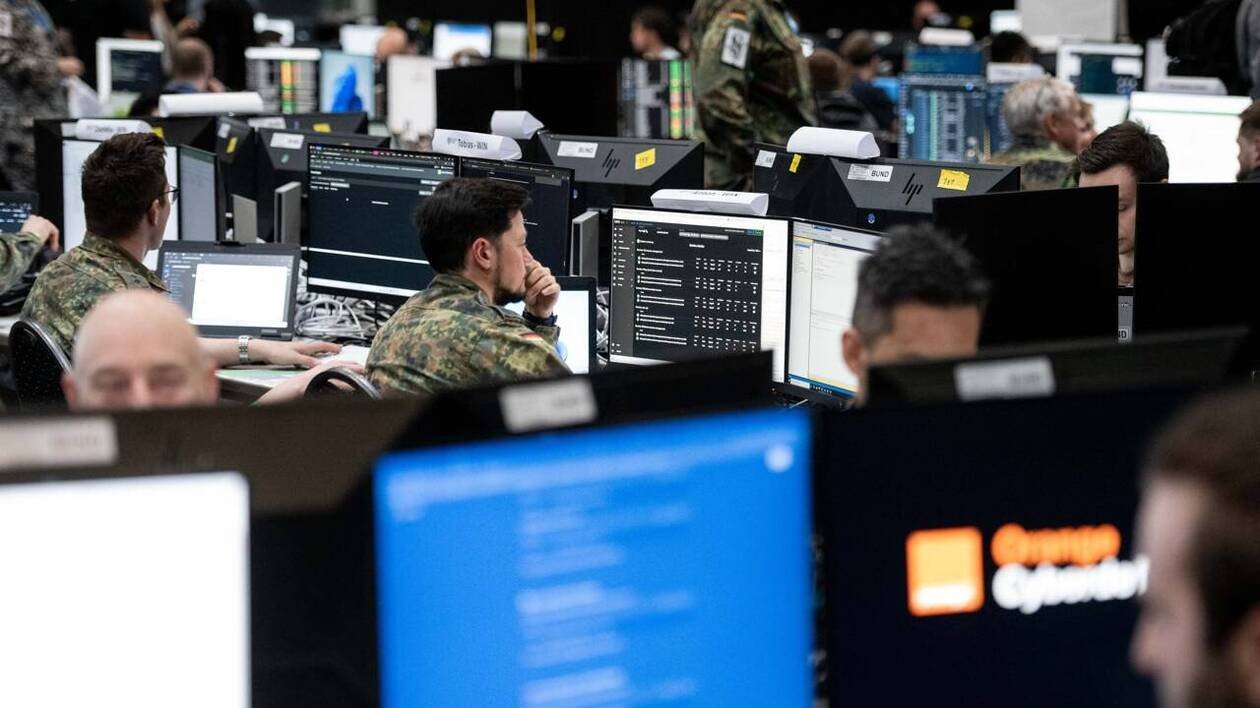
The Invisible Front Line
In 1858, when the first transatlantic telegraph cable was laid, the world viewed instantaneous communication as a tool for peace. History proved otherwise. Today, we see a similar inversion where the very infrastructure built to connect civilizations is being re-engineered into a theater of friction. The current friction between Iranian forces and the Israeli-American alliance is no longer confined to physical geography; it has entered a state of permanent digital siege.
Unlike traditional artillery, which demands physical presence and logistical supply chains, digital disruption allows a state to exert force while remaining physically static. This is not about the crude defacement of websites or the theft of spreadsheets. We are witnessing the maturation of kinetic cyber operations—attacks designed to bleed into the physical world by crippling power grids, water management systems, and transport networks. When the lights go out in a city without a single shot being fired, the psychological impact outweighs the structural damage.
From Espionage to Infrastructure Friction
The doctrine of conflict has shifted from gathering intelligence to active denial of service on a societal scale. For decades, cyber operations were the domain of the 'silent collector,' the spy who wanted to remain hidden for years to siphon data. Now, the priority has shifted toward immediate, visible disruption. This transition mirrors the shift in naval history from privateering to total submarine warfare, where the goal is to choke the opponent's ability to function.
The modern soldier is increasingly a developer, and the most effective weapon is a vulnerability that the target does not yet know exists.
In this high-stakes environment, the distinction between military and civilian infrastructure has evaporated. A regional hospital's database or a municipal water valve is now a tactical objective. These targets are chosen not for their military value, but for their ability to generate domestic pressure. By creating inconvenience and fear within a civilian population, an aggressor can force a government to recalibrate its foreign policy without ever crossing a physical border.
The Proliferation of Digital Mercenaries
One of the most concerning developments in the Middle East is the democratization of high-level disruption tools. What used to require the resources of a superpower is now accessible to proxy groups and non-state actors. These entities act as the privateers of the twenty-first century, operating with plausible deniability while receiving backing from state sponsors. This fragmented threat makes traditional deterrence nearly impossible, as there is no single 'return address' for a retaliatory strike.
As AI-driven automation enters the equation, the speed of these attacks will soon outpace human defensive capabilities. We are moving toward a 'black box' conflict where algorithms probe each other's weaknesses 24 hours a day. Small businesses and developers often think they are outside this loop, but in a hyper-connected economy, every local server is a potential node in a larger botnet or a backdoor into a critical supply chain. Securing a startup's cloud infrastructure is now, inadvertently, an act of national defense.
The Architecture of Resilience
If the last decade was defined by the move to the cloud, the next will be defined by the hardening of that cloud. We are seeing a retreat from global, open architectures toward more segmented, sovereign networks. This 'splinternet' is a direct result of the realization that total connectivity is also total vulnerability. Nations are beginning to treat their digital borders with the same gravity as their mountains and rivers.
The era of the 'home-based warrior' changes the economic calculus of war. When the cost of an attack is reduced to the price of a laptop and an internet connection, while the cost of defense requires billions in infrastructure upgrades, the advantage lies with the disruptor. To counter this, we must move beyond reactive firewalls and toward biological-style resilience, where systems are designed to heal and isolate infected segments automatically.
By 2030, the primary metric of a nation's power will not be its standing army, but its ability to maintain civilian normalcy under a constant barrage of invisible interference.

Convertir PDF en Word — Word, Excel, PowerPoint, Image