







The Price of Sovereignty: Naval Group’s Fifth FDI and the Stealth Cost of Digital Warfare
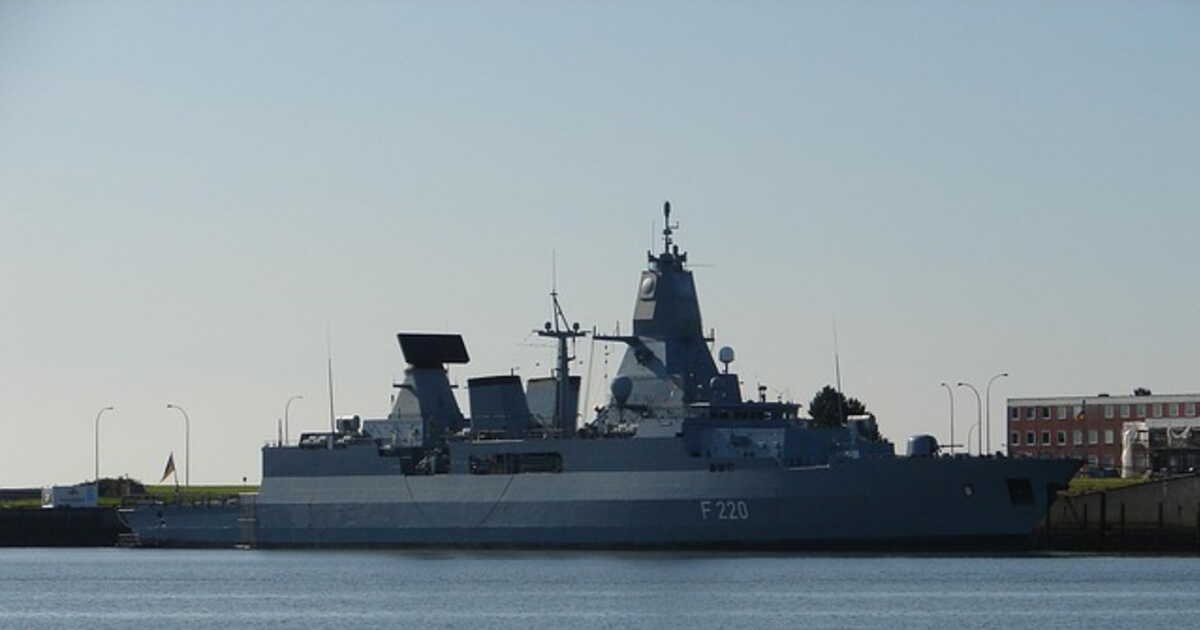
The Digital Backbone vs. The Floating Target
The Direction générale de l'armement (DGA) recently confirmed its order for a fifth Defense and Intervention Frigate (FDI) from Naval Group. On paper, the move completes a strategic arc intended to modernize the French fleet with smaller, more agile vessels. Yet, the official narrative focusing on stealth and multi-mission capabilities masks a more pressing reality: these ships are testbeds for a transition from hardware-centric defense to software-defined warfare.
Unlike previous generations, the FDI is built around a centralized data center architecture. This shift is designed to process the massive streams of information generated by the Thales Sea Fire radar, a fixed-panel system that claims to monitor threats with unmatched precision. However, moving the intelligence of a warship into a digital core introduces a vulnerability profile that traditional naval architects are still struggling to quantify. The DGA is betting that code can protect a hull more effectively than thick steel.
The FDI is designed to face evolving threats in a high-intensity environment, combining digital intelligence with integrated modularity to ensure superior operational capacity.
This official stance overlooks the immense pressure of the development timeline. By integrating the digital infrastructure so deeply into the physical frame, Naval Group has created a system where a software bug is no longer a minor annoyance but a potential systemic failure. If the integrated cyber-defense layers fail to keep pace with evolving electronic warfare tactics, these compact frigates risk becoming expensive, high-tech liabilities in a real-world conflict.
Export Ambitions and the Greek Shadow
The timing of this fifth order is not merely about domestic defense requirements. It serves as a necessary signal of confidence to the international market, particularly after the high-profile deal with Greece. For Naval Group, the FDI is a product that must be sold abroad to offset the staggering research and development costs that the French taxpayer cannot shoulder alone. The domestic order acts as a seal of approval, intended to convince potential buyers in the Middle East and Southeast Asia that the platform is stable.
Competition in the mid-range frigate market is increasingly crowded. With British, Italian, and German shipbuilders offering their own modular designs, the FDI's primary differentiator is its compact 4,500-ton displacement. Proponents argue this makes the ship harder to detect and easier to maneuver in littoral waters. Skeptics, however, point out that a smaller frame limits the capacity for future physical upgrades, such as larger missile silos or additional power generation for directed-energy weapons.
The financial math behind these vessels remains opaque. While the DGA emphasizes the efficiency of the production line at the Lorient shipyard, the true cost per unit often creeps upward as new cyber-security requirements are integrated during the build phase. This fifth hull is a commitment to a specific vision of naval power that assumes future wars will be won in the electromagnetic spectrum before a single shot is fired. It is a gamble on the supremacy of French sensors and algorithms over sheer mass.
The Sustainability of the Lorient Production Line
Maintaining a steady drumbeat of orders is essential for preserving the specialized workforce in Brittany. Without this fifth vessel, the gap between the French domestic program and potential export deliveries could have led to a dangerous cooling of the industrial base. Naval Group is essentially managing a complex logistics puzzle, trying to balance the specific technical demands of the French Navy with the need for a standardized product that can be marketed globally.
The success of the FDI program will ultimately hinge on one factor: the actual performance of the SETIS combat system under simulated saturation attacks. As anti-ship missiles become faster and more autonomous, the window for human intervention is shrinking to near zero. If the FDI's automated response systems cannot prove their reliability in the next round of sea trials, the DGA may find itself with a fleet of five highly advanced ships that are too digitally fragile for the chaos of modern maritime combat.

Generateur d'images IA — GPT Image, Grok, Flux