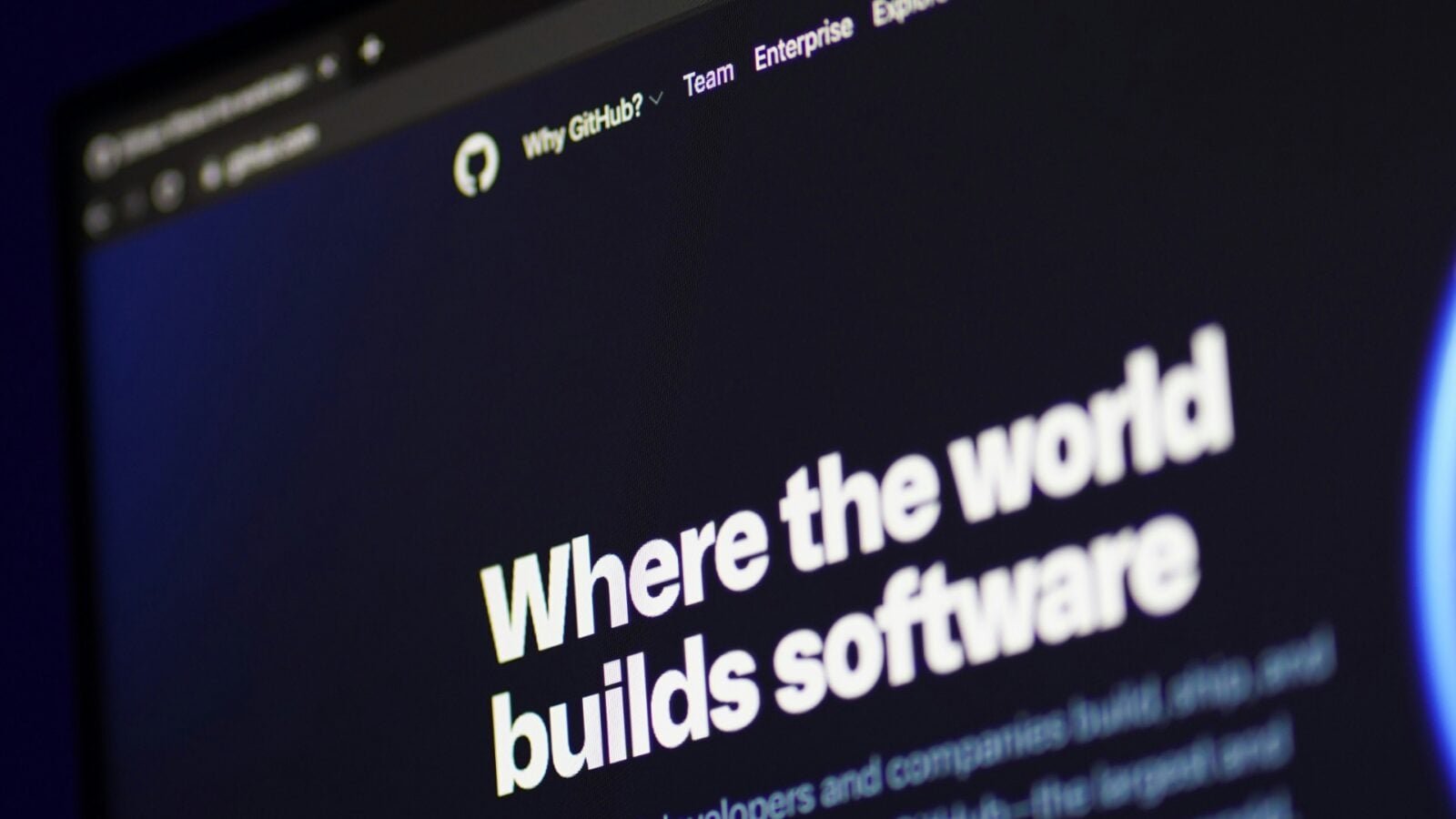
A sophisticated attack by TeamPCP used malicious extensions to drain private GitHub data. Here is how to protect your source code and credentials.

France's new 36 billion euro military budget isn't just about hardware; it's a massive shift toward cyber defense and industrial independence.
Modern smartphones search for known networks 10 times per minute, creating a persistent security vulnerability that hackers are increasingly exploiting.

Forget the cinematic hackers in hoodies. We break down the four most dangerous misconceptions about digital security that leave small businesses and individuals vulnerable.
Law enforcement just dismantled a major infrastructure used by threat actors. Here is what it means for your security posture.

Social engineering is evolving to bypass 2FA. Learn how scammers are impersonating trusted brands to steal user data and how to protect your product.
Law enforcement just dismantled First VPN, a service marketed to cybercriminals. But the real story is how the network stayed hidden in plain sight for so long.

Opinion System’s acquisition by La Boîte Immo isn't just a real estate play—it's a high-stakes move to control the data feeding Google's AI models.
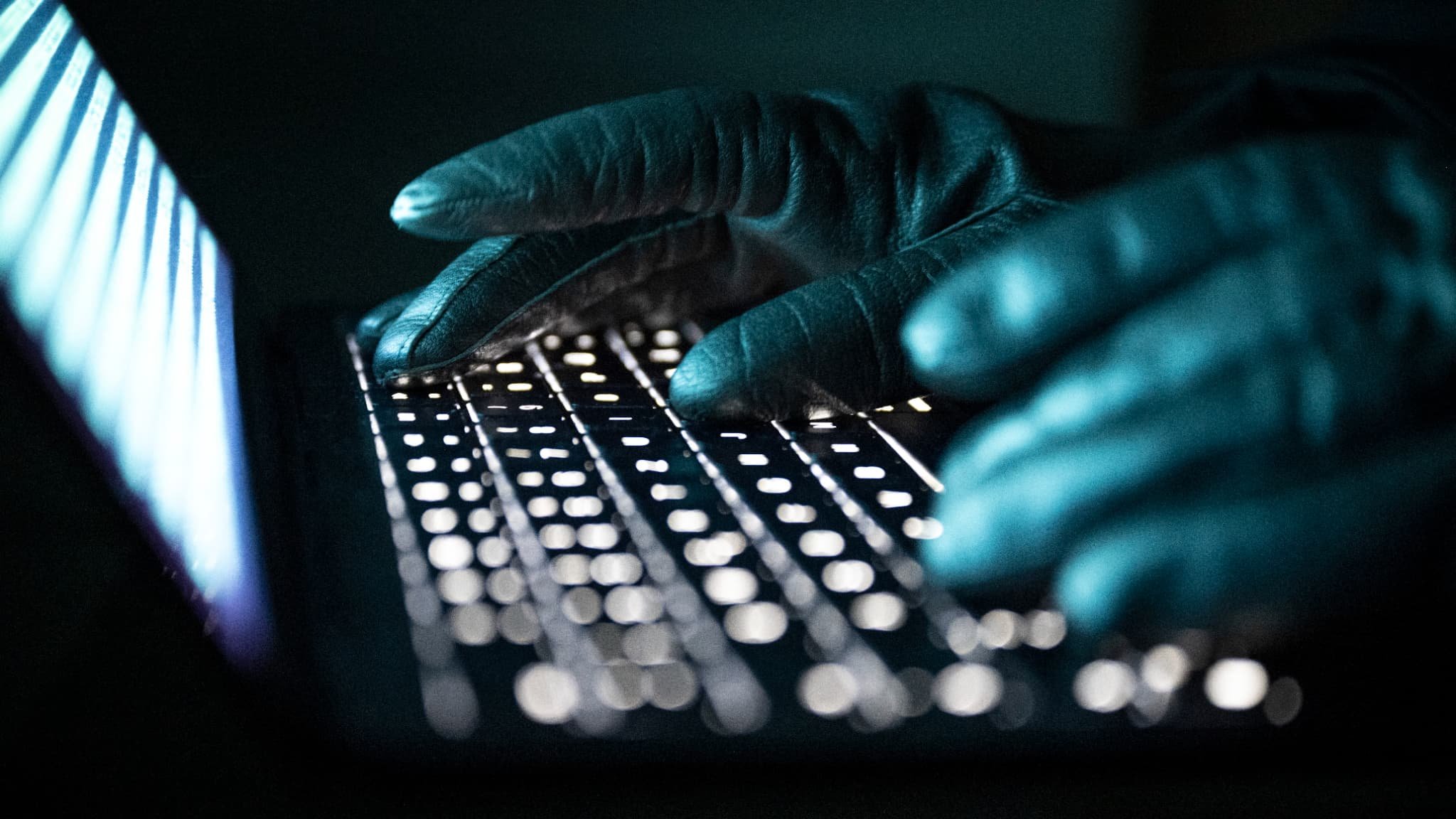
Law enforcement agencies from France and multiple European nations have shut down First VPN, a service favored by hackers for evading detection.

Mobile phishing has eclipsed email as the primary threat vector, yet security teams are still fighting the last war on the desktop.

New charges against individuals in Gatineau and Ottawa reveal the long-tail consequences of the 2020 CRA portal breach and the cost of rapid-fire government payouts.
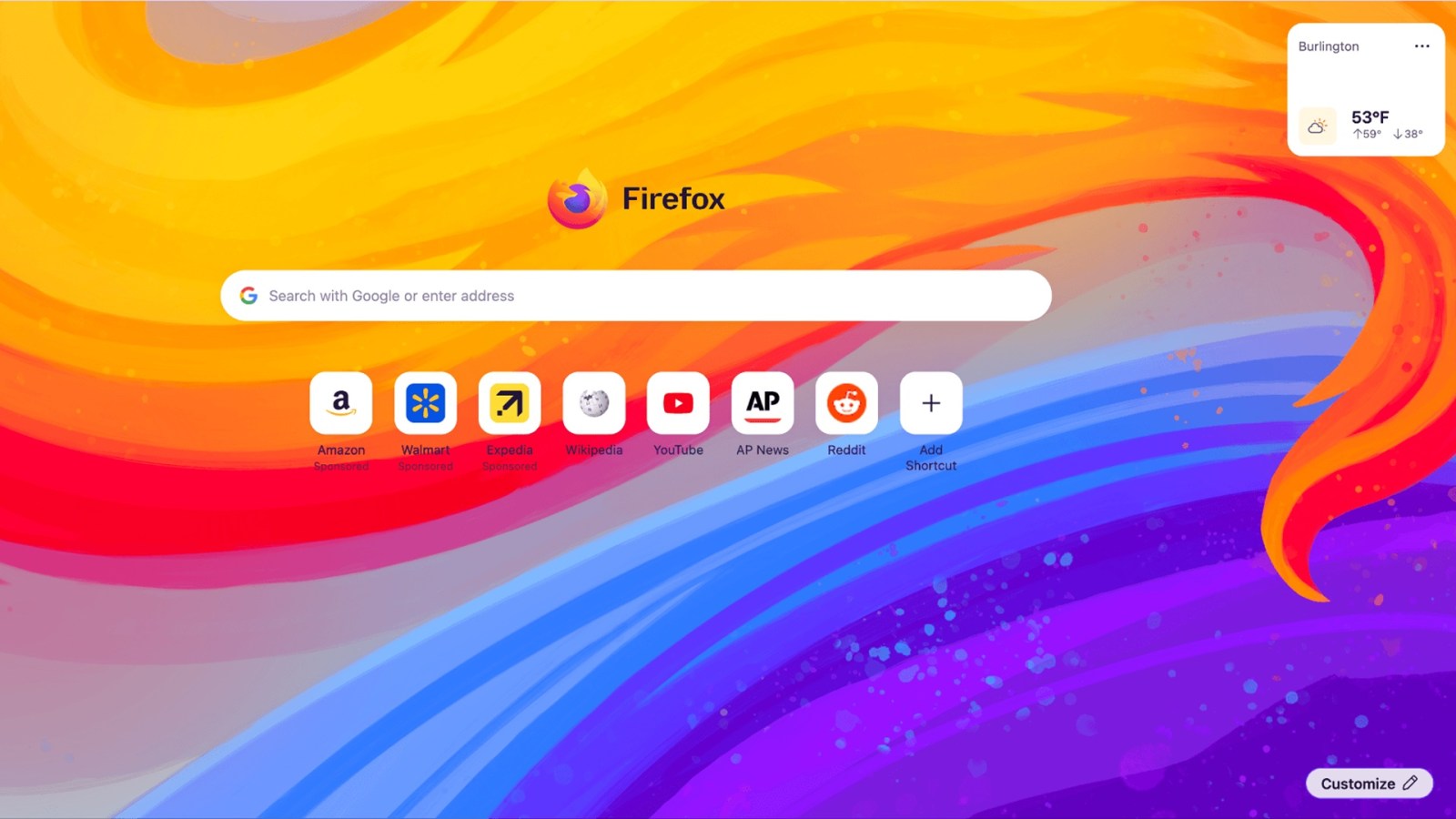
Firefox 151 integrates native encrypted DNS, threatening the value proposition of entry-level VPN services by commoditizing privacy.