When adolescent hackers can compromise tens of millions of records, the traditional corporate security budget is officially proven to be a bad investment.

When 250,000 French identity documents showed up for sale on the dark web, it revealed a deeper truth about how our physical selves are being decoupled from our digital ghosts.

A viral photo from the DRC reveals how Silicon Valley’s hands-off approach to content moderation in emerging markets leaves room for low-tech manipulation.

Silicon Valley forgot how to build physical things. Discover why vocational technical graduates are becoming the most undervalued asset class in venture-backed tech.

A malicious exploit inside Wallpaper Engine exposes a structural flaw in the creator economy: platforms cannot scale distribution without inheriting massive security debts.

The recruitment of SQ's financial crimes chief Charles Hudon by the PLQ is not a political stunt—it is a calculated acquisition of critical risk-management assets.

Cybercriminals are exploiting Amazon's multi-billion dollar brand equity to run a high-conversion, zero-CAC customer acquisition engine.

A massive dark web dump of 250,000 French passports exposes the deep systemic vulnerabilities in how SaaS companies verify and store our personal data.

Every time you click a link, you run unknown code on your computer. Virtual browsers solve this by moving the entire web browsing process to a secure, remote server.

When ransomware strikes, CEOs instinctively rush to restore systems. This VC-style analysis explains why fast recovery is often a multi-million dollar mistake.

A recent US directive blocking Anthropic's models highlights a growing conflict between physical state borders and the borderless reality of modern software development.
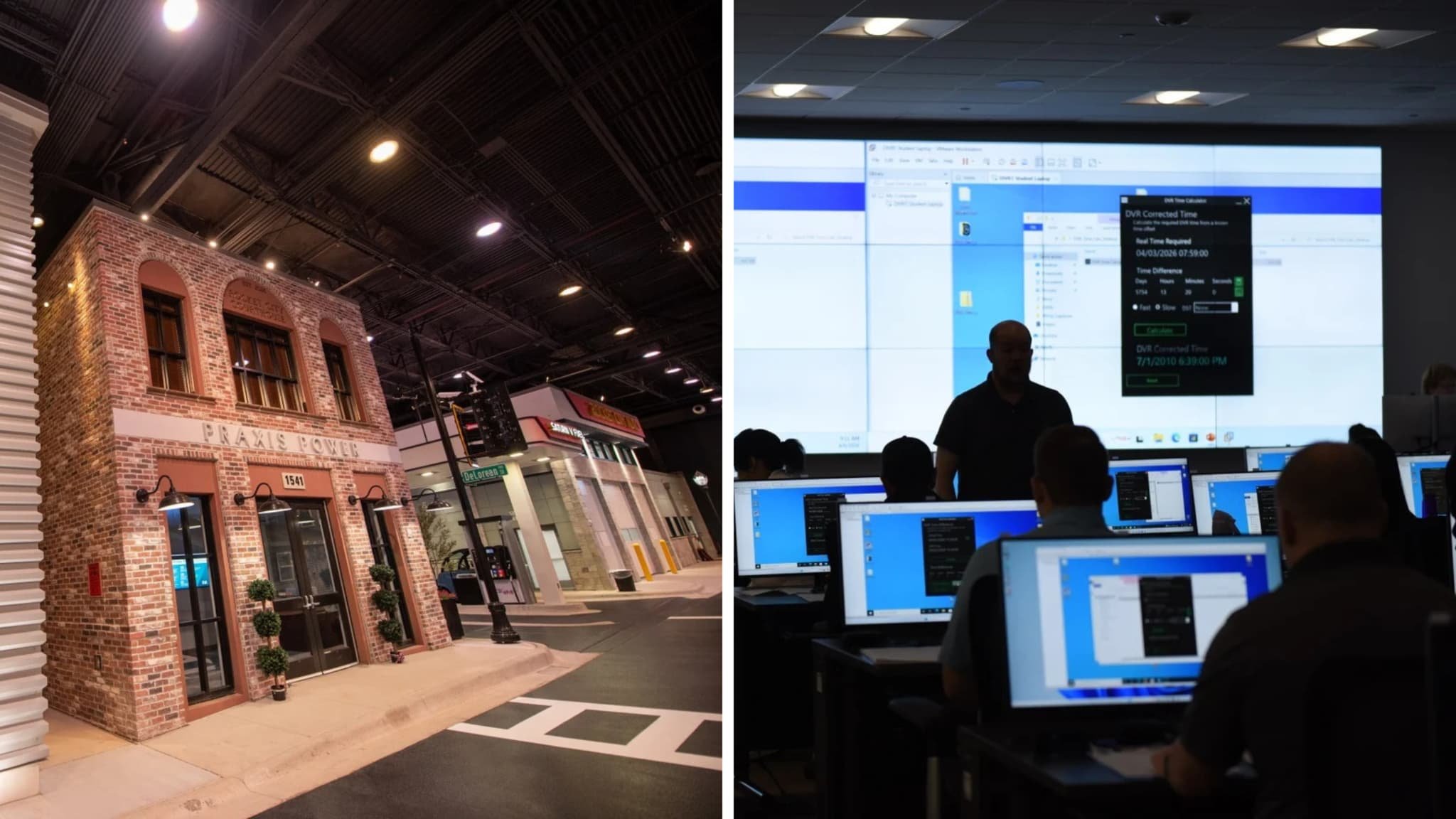
To prepare for the next generation of infrastructure attacks, the FBI built an entire, isolated fake city to stress-test their defenses against real-world hacks.