
A breach of 550,000 citizen records on a French government portal exposes the structural failure of public sector IT procurement and the growing market for sovereign security.
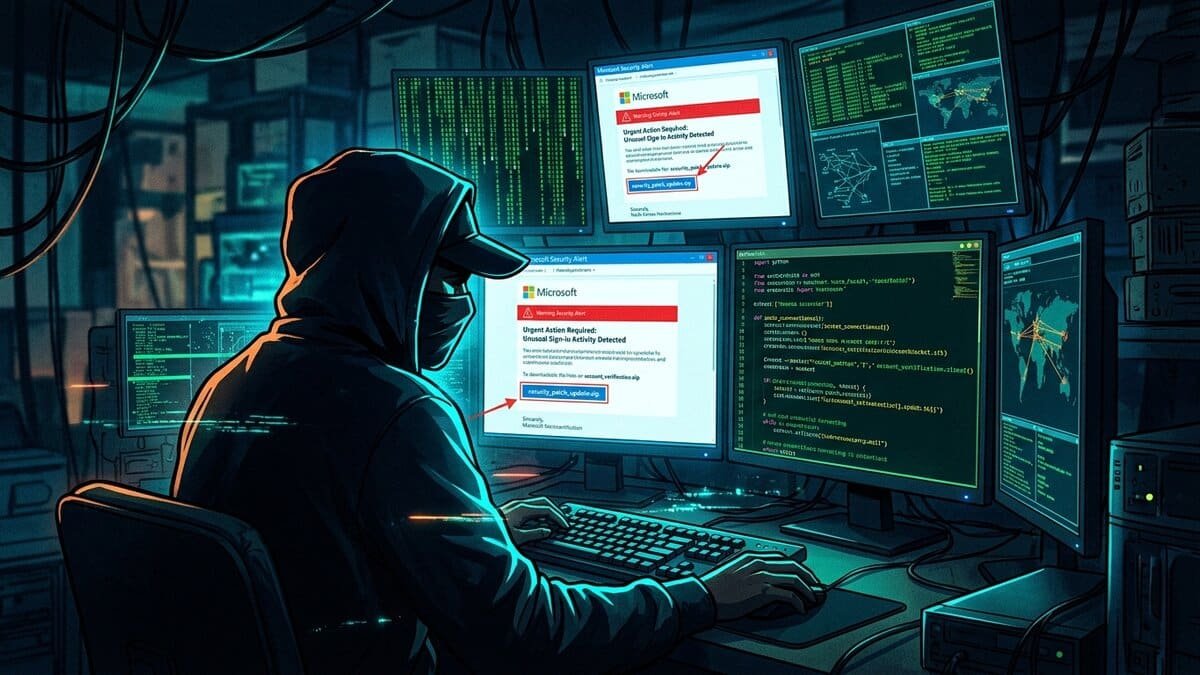
A new North Korean malware campaign uses highly realistic Windows security prompts to trick users into installing the NarwhalRAT trojan.

A third of enterprises got hit by supply chain attacks last year. The problem isn't the vendors—it's the lazy corporate architecture that trusts them blindly.

A breach of 500,000 accounts on a French government volunteering platform exposes the fatal flaw in public sector tech procurement: zero accountability and high-value targets.
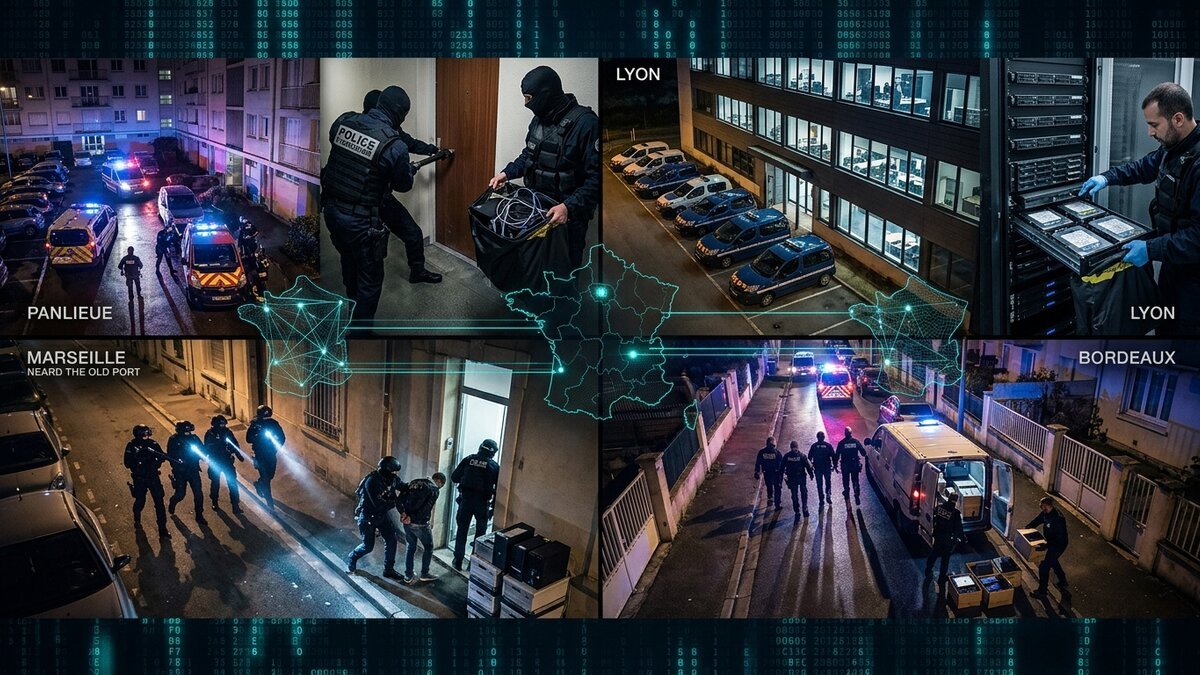
A coordinated nationwide raid by French authorities has neutralized DumpSec, a decentralized network of young hackers targeting public infrastructure.

When a vendor gets hacked, your users pay the price. Learn how to architect your system to protect user data from third-party supply chain vulnerabilities.

Behind the mutation of the Miasma cyberattacks lies a profound shift in digital warfare: attackers are no longer avoiding security tools, they are blinding them.

When an employee clicks a suspicious link, the clock starts ticking. Here is the operational playbook to contain the damage and the market shifts redefining enterprise security.

AI has reduced the marginal cost of cyberattacks to near-zero. Here is how the competitive market is shifting for security startups and legacy vendors.
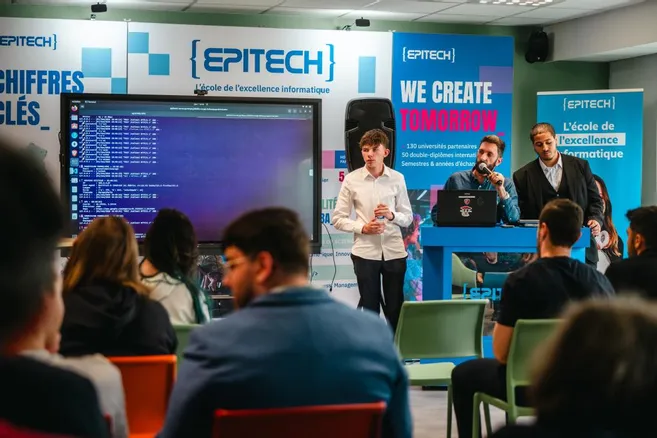
As cyber threats scale exponentially, the bottleneck isn't software—it is human capital. Here is who wins and who loses in the battle for security operations.

Behind the flashy apps and biometric gates of modern sports stadiums lies a fragile digital architecture vulnerable to state-sponsored cyber warfare.

France wants to lead European tech policy, yet it cannot even pass its own cybersecurity laws on time. The NIS2 delay is more than a mistake—it is an operational disaster.