







Understanding the Fujimori Dynasty and the Future of Peruvian Governance
The Persistent Shadow of Political Legacy
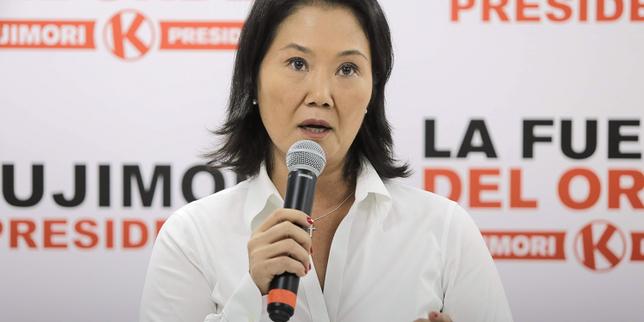
Most political figures spend their careers trying to distance themselves from the controversies of their predecessors. In Peru, Keiko Fujimori has taken a different path, embracing a legacy that remains one of the most polarizing in modern history. As she moves toward a decisive second-round vote on June 7, the daughter of former president Alberto Fujimori is no longer just a spectator to her father’s history; she is the central figure in a movement that seeks to reclaim his brand of governance.
To understand the current tension in Lima, one must look at Fujimorismo. This is not just a political party, but a specific philosophy that combines aggressive economic liberalism with a populist, often authoritarian approach to security. For many voters, this represents a return to the stability of the 1990s. For others, it signals a retreat from the democratic progress made since that era ended.
The upcoming election is more than a choice between two candidates. It serves as a national referendum on whether the country is ready to forgive the past in exchange for a promised sense of order. Fujimori has successfully consolidated the right-wing vote, positioning herself as the predictable choice against a left-wing opposition that many business leaders fear.
The Mechanics of a Populist Comeback
Winning the first round of a presidential election is a feat of logistical and emotional engineering. Fujimori achieved this by focusing on parts of the country that feel forgotten by the central government. While her critics highlight the human rights record of her father’s administration, her supporters focus on the roads, schools, and economic growth associated with the family name.
Her strategy relies on three distinct pillars:
- Direct Populism: Bypassing traditional media to speak directly to rural communities about tangible infrastructure needs.
- Economic Reassurance: Aligning with financial markets to ensure that a transition to her leadership would not trigger capital flight.
- Security Rhetoric: Promising a firm hand against crime, a message that resonates deeply in urban centers struggling with rising theft and violence.
This approach has allowed her to build a coalition that spans the wealthy elites in the capital and the working-class families in the provinces. By refusing to apologize for her father’s actions, she has signaled to her base that she values results over the approval of international observers or academic critics.
The Divide Between Left and Right
The secondary round of voting creates a stark binary for the Peruvian electorate. Her opponent represents a radical departure from the current economic model, advocating for wealth redistribution and increased state control over natural resources. This contrast plays directly into Fujimori's strengths, allowing her to frame herself as the defender of the status quo.
Investors and startup founders are watching this development with intense focus. Peru has long been one of the more stable economies in the region, and the outcome of the June 7 vote will determine if that stability continues or if the country undergoes a fundamental structural change. The race is essentially a competition between the fear of a return to authoritarianism and the fear of economic collapse.
What This Means for Regional Stability
Peru does not exist in a vacuum. A Fujimori victory would likely shift the geopolitical balance in South America toward more conservative, market-friendly policies. It would also validate a specific type of political comeback: the idea that a family name, no matter how tarnished by legal battles, can be rehabilitated through consistent messaging and a focus on security.
Critics argue that her lack of remorse regarding the 1990s indicates that a new Fujimori administration might repeat the mistakes of the past, specifically regarding the independence of the judiciary and the press. Supporters, however, view her unapologetic stance as a sign of strength. They believe she is the only candidate capable of managing the complex web of corruption and bureaucracy that has slowed the country’s development.
Now you know that the upcoming Peruvian election is not just about policy—it is a struggle over the national memory and whether historical controversy is an obstacle or an asset in modern populist politics.

AI Image Generator — GPT Image, Grok, Flux