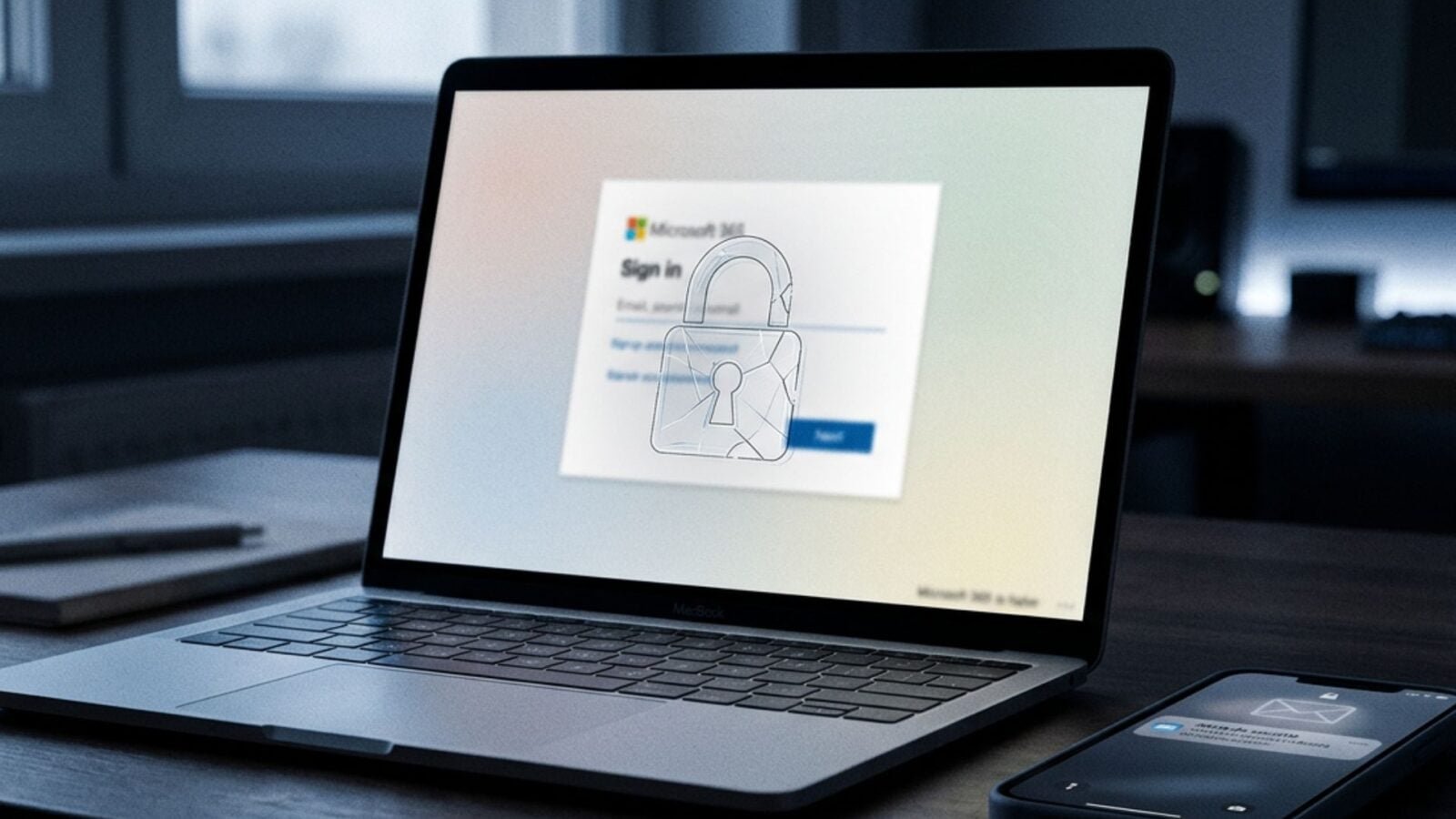
A new phishing-as-a-service kit named Kali365 is bypassing Microsoft 365 security measures, proving that even two-factor authentication has a breaking point.
France and Spain are facing legal action for missing the NIS2 cybersecurity deadline, proving that talking about digital sovereignty is easier than actually implementing it.

When Swiss defense contractor Ruag paid off hackers, it wasn't just a security failure—it was a calculated business decision about the value of sovereign data.

Hackers are weaponizing legitimate Stripe infrastructure to bypass security protocols, turning a trusted payment gateway into a silent conduit for credit card theft.

A landmark court ruling forces banks to reimburse phishing victims, shifting the burden of proof from users to financial platforms.
A hacker claims to have stolen a massive database of French medical records, but the national health agency says their walls are still standing.
When a hacker claimed to have breached France's national health records, it sparked a tense standoff between digital shadows and state security.

Analysis of a niche drug market where dealers consume their own supply, creating a high-risk, low-margin loop that challenges standard law enforcement metrics.
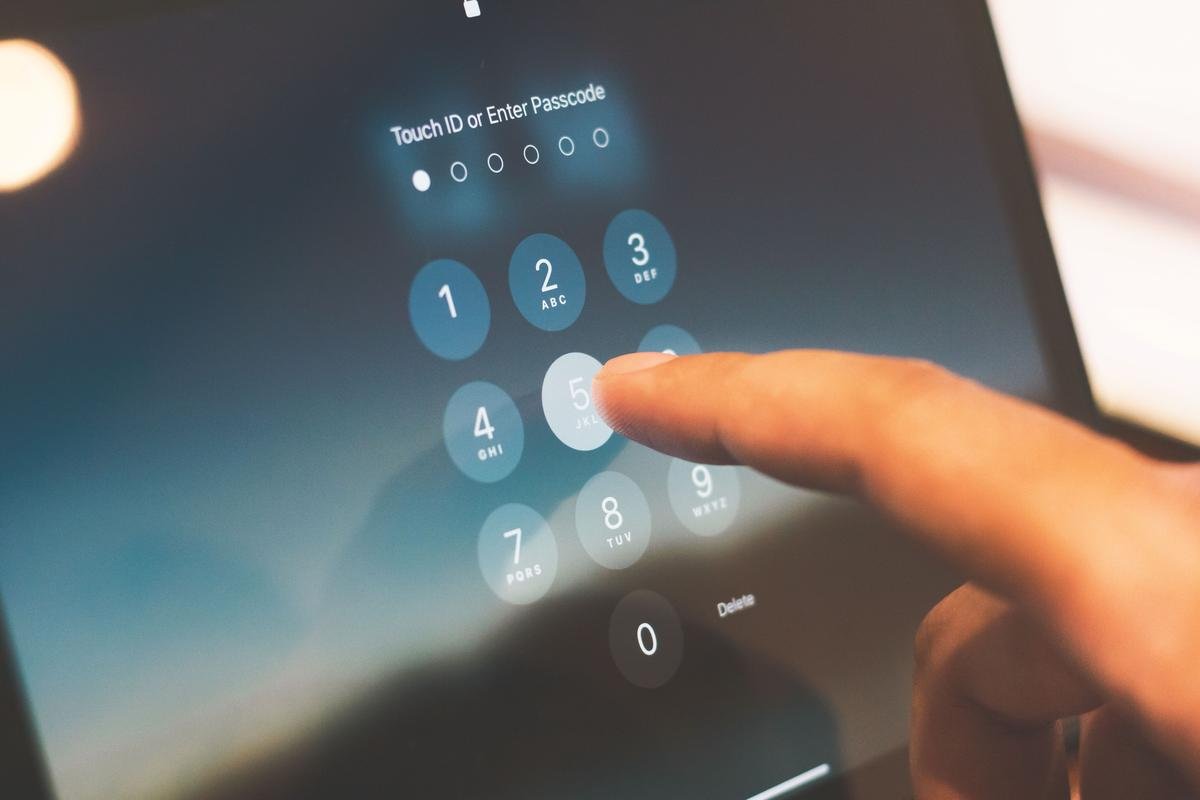
New cybersecurity standards shift focus from complex symbols to longer phrases to combat sophisticated brute-force attacks.

A new self-propagating worm targets the backbone of modern software development, exposing a systemic risk in how we build and trust code.

A new wave of SMS-based fraud is exploiting the trust in Europe's latest payment system, proving that faster transfers often mean faster theft.

State-owned defense contractor Ruag paid hackers to prevent data leaks, defying official Swiss government cybersecurity recommendations.