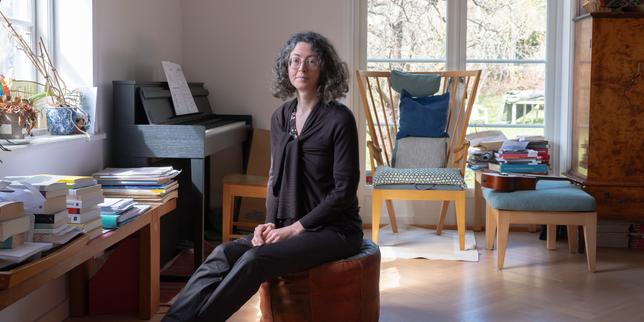
Sweden is increasingly using naturalization denials and legal prosecution to deter foreign-born environmental activists from participating in civil disobedience.
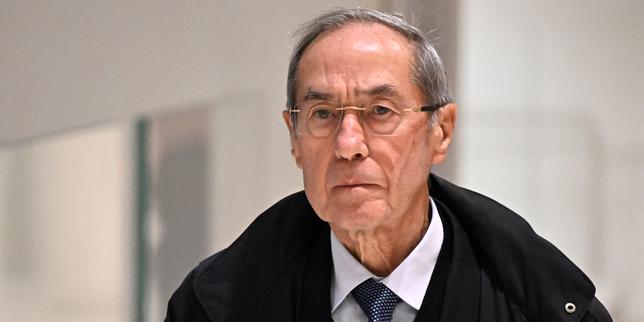
For decades, Claude Guéant was the silent architect of the Sarkozy era. Now, his testimony is dismantling the very defense he helped build.
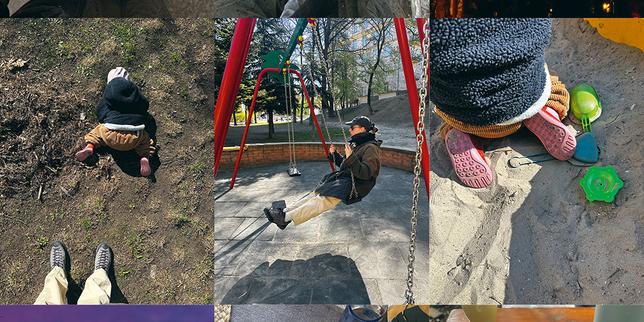
Beyond the physical battlefield, Ukraine faces a quiet crisis of psychological scars and the risks of civilian armament.
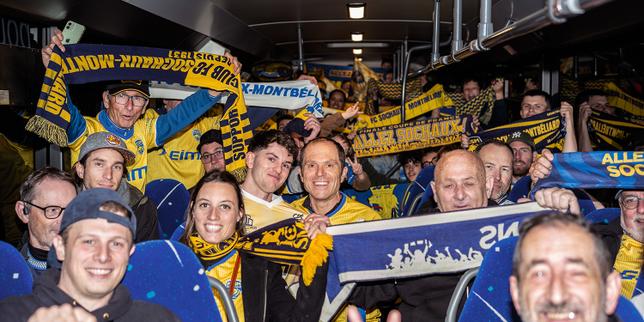
FC Sochaux-Montbéliard’s recovery from near-liquidation reveals a data-backed shift toward fan-owned equity in professional sports.
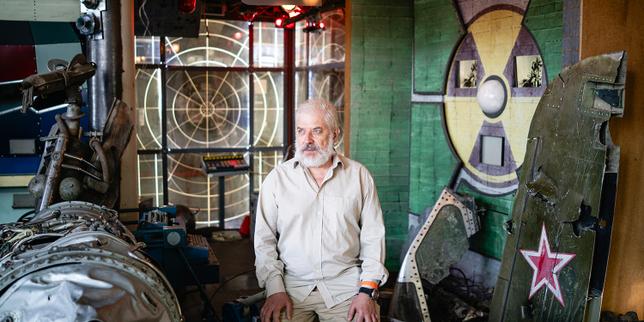
As Kazakhstan pivots back to nuclear energy, the 30,000 workers who cleaned up Chernobyl's wreckage find themselves an inconvenient reminder of the risks.

A look back at how early reporting on the 1986 Soviet nuclear disaster correctly predicted a permanent shift in global energy policy and safety standards.
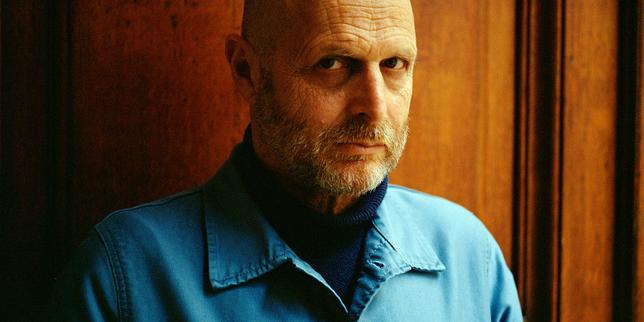
The creator of In Treatment returns to address historical trauma and the modern complexities of Israeli identity through the lens of Etty Hillesum.
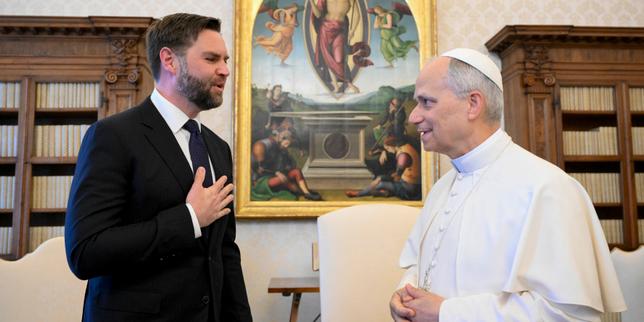
When the Trump administration decides to lecture the Vatican on scripture, we aren't seeing a religious debate—we're seeing the total commodification of faith.
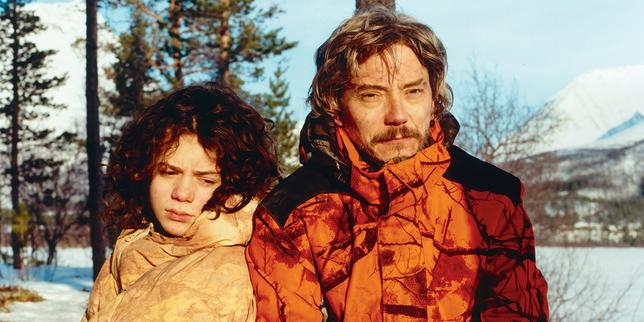
Most unit photography is marketing fluff. Desailly’s work on Sukkwan Island is a masterclass in blurring the line between cinematic fiction and brutal reality.
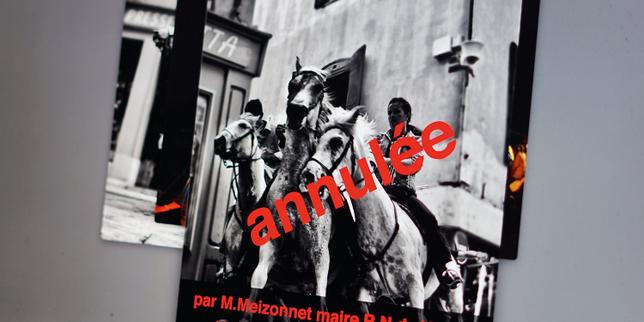
Vauvert's new leadership is treating arts funding as a political battlefield, proving that culture is always the first casualty of ideological insecurity.
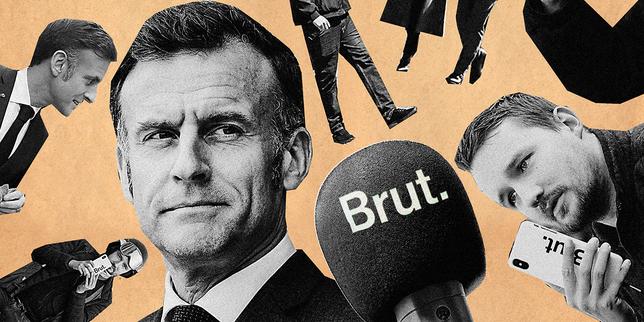
France's executive branch is bypassing legacy media to rent the attention of Gen Z through Brut's algorithm-driven distribution network.
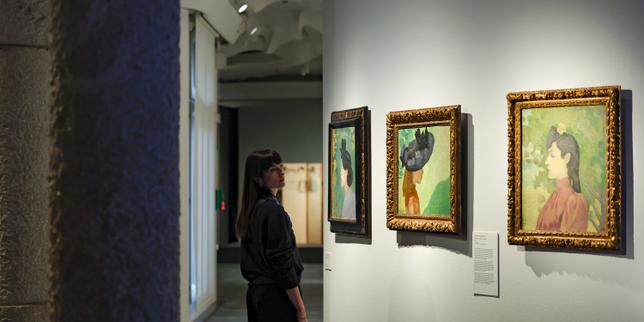
A new exhibition in Barcelona explores the Nabis, the 19th-century French collective that bridged spiritual art and modern decorative design.