







The FFTir Data Breach Is a Masterclass in Physical Security Negligence
The Lethal Gap Between Digital Negligence and Physical Reality
The tech world often treats data breaches as abstract inconveniences—a leaked password here, a compromised credit card there. But the recent breach at the French Shooting Federation (FFTir) has shattered that complacency by connecting digital vulnerability directly to physical violence. When you lose the home addresses of thousands of legally armed citizens, you aren't just losing data; you are providing a shopping list for organized crime.
Interior Minister Bruno Retailleau has suggested that between 20 and 30 burglaries may already be linked to this specific leak. This isn't a case of identity theft or fraudulent Amazon purchases. This is a targeted campaign where criminals know exactly which doors to kick down to find high-value, lethal inventory. The federation’s failure to protect this information has turned its own members into targets for the very weapons they are licensed to own.
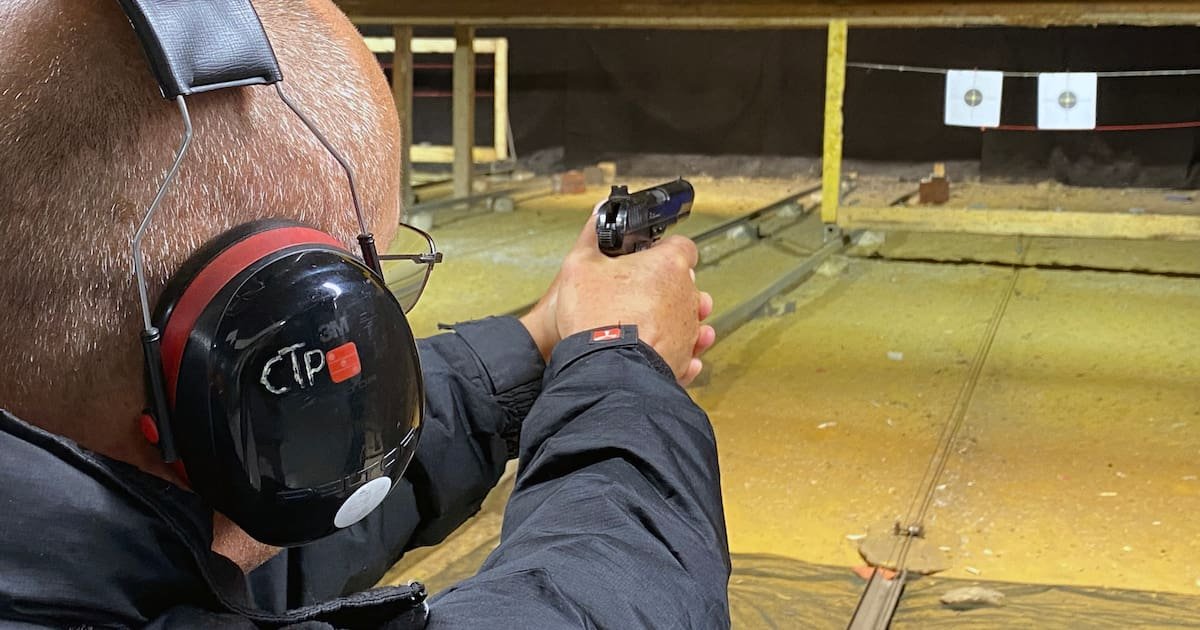
Several dozen burglaries could be linked to the theft of personal data of members of the French Shooting Federation.
Retailleau’s statement highlights a terrifying reality: the lag between a digital intrusion and a physical response. For years, the FFTir and similar organizations have operated under the assumption that their internal databases were bureaucratic silos. They failed to realize that in the hands of a coordinated group, a membership list is a tactical map.
Why Specialized Databases Are the New High-Value Targets
Hackers have moved past the era of bulk-collecting generic emails. They are now targeting niche organizations that hold sensitive, high-intent data. A database of gun owners is infinitely more valuable on the black market than a million random Gmail addresses because it offers predictable, high-margin physical returns for criminal enterprises.
The FFTir breach reveals a systemic lack of encryption and access control that should be mandatory for any organization handling sensitive civilian records. If a state-mandated federation requires citizens to provide their data for legal compliance, that federation assumes a moral and legal debt to protect that data with state-grade security. They failed that debt spectacularly, and the cost is being paid in broken windows and stolen firearms.
The Minister of the Interior specified that he had asked the prefects to 'take a certain number of measures' to protect the victims.
Asking prefects to monitor victims after the fact is a reactionary bandage on a self-inflicted wound. The damage is done the moment the database is exported. We are witnessing the birth of a new tier of liability where digital negligence leads to physical harm, and the current legal frameworks for data protection are woefully unprepared to address it.
The End of the Institutional Trust Era
This incident should serve as a wake-up call for every startup and developer building platforms that collect location-based or asset-heavy data. If your system stores information that could be used to facilitate a physical crime, your security posture cannot be an afterthought. You are not just building a database; you are managing a risk profile that extends into the real world.
Standard practices like salt-and-hash passwords and two-factor authentication are no longer sufficient when the data itself is the prize. We need to move toward zero-knowledge architectures where even the organization itself cannot access the full unencrypted home addresses of its members without a specific, logged administrative action. The FFTir clearly didn't think this was necessary, and now their members are living through a nightmare of their making.
The fallout from this breach will likely result in a wave of litigation that focuses on the duty of care. It is one thing to lose a customer's email; it is quite another to hand a roadmap to their gun safe to an organized gang. If organizations cannot guarantee the safety of the data they demand, they have no business collecting it in the first place.

AI Video Creator — Veo 3, Sora, Kling, Runway