







The Gîtes de France Breach: Why Travel Platforms Are Becoming Primary Targets
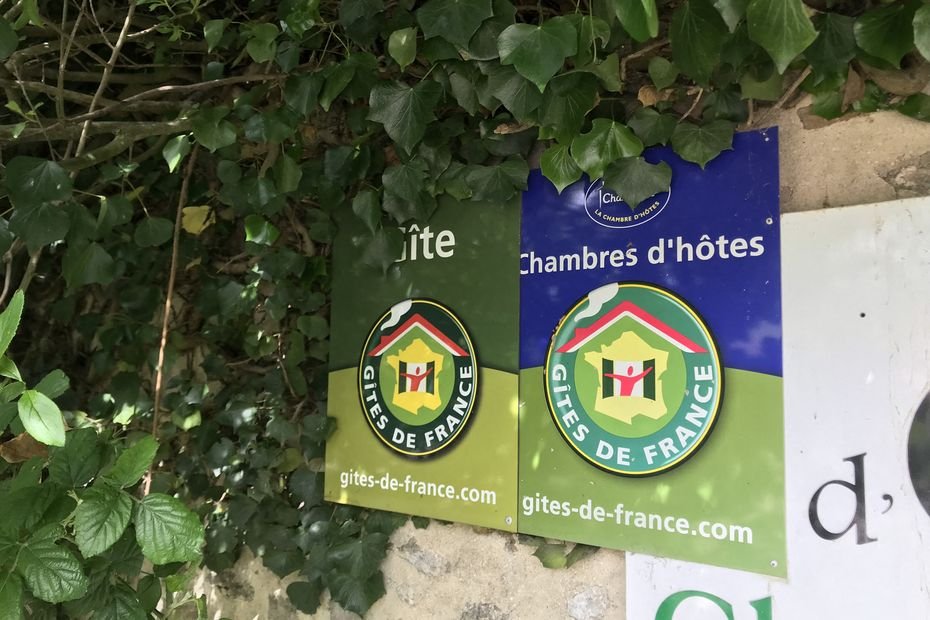
The Mechanics of the Modern Travel Hack
When you book a holiday, you provide a digital footprint that includes your home address, your contact details, and your payment history. For a cybercriminal, this information is more than just data; it is a high-value asset. The recent breach at Gîtes de France, which impacted approximately 400,000 customers, serves as a stark reminder that even established heritage brands are vulnerable to sophisticated digital intrusions.
This incident did not happen in isolation. It occurred during a week where three major players in the tourism sector were targeted in rapid succession. This suggests that attackers are moving away from random attempts and toward coordinated efforts against specific industries. By targeting travel platforms, hackers gain access to data that is both fresh and verified, as users frequently update their profiles before a trip.
What was actually taken
In most breaches of this scale, the stolen information usually falls into two categories: identity data and financial indicators. While encrypted passwords are often difficult to crack, plaintext data like email addresses and phone numbers are immediately usable for phishing campaigns. If an attacker knows you just booked a stay in a specific region, they can send a highly convincing fake invoice or a 'booking confirmation' link that looks legitimate.
The Vulnerability of Decentralized Networks
Gîtes de France operates differently than a standard hotel chain. It is a vast network of independent owners connected through a central digital nervous system. This structure creates multiple entry points. Think of it like a large apartment building; even if the front gate is locked, a single open window in one unit can sometimes provide a path to the basement where the master keys are kept.
- Shared Platforms: When third-party vendors or local branches connect to a central database, a security flaw in one can compromise the whole.
- Data Retention: The longer a company keeps your information after a trip is over, the higher the risk that your data will be caught in a future breach.
- API Weaknesses: The bridges that allow different travel apps to talk to each other are often the primary targets for extraction scripts.
Security experts refer to this as the attack surface. For a platform with 400,000 active records, the surface is massive. Maintaining a perimeter around that much sensitive information requires constant vigilance and, more importantly, a strategy of data minimization—only keeping what is strictly necessary for the transaction.
How to Protect Your Digital Identity Post-Breach
If you have used a booking service recently, the first step is to assume your email address is now on a list. You do not need to panic, but you do need to change your posture. The danger is rarely a direct hack of your bank account; it is more often a slow-motion identity theft where small pieces of information are used to trick you later.
Check your email for any unusual login notifications and enable multi-factor authentication (MFA) on every account that supports it. MFA acts like a physical key that lives only on your phone; even if a hacker has your password from the Gîtes de France leak, they cannot get into your other accounts without that physical secondary check. Also, be wary of any phone calls or texts claiming to be from a travel agency asking for a 'payment verification' or a 'refund process.'
Now you know that your travel data is a specific target for organized groups, and the best defense is to treat every unsolicited booking email with a healthy dose of skepticism.
AI Film Maker — Script, voice & music by AI