






The Glass Cabinet: When Our Biological Secrets Go Public
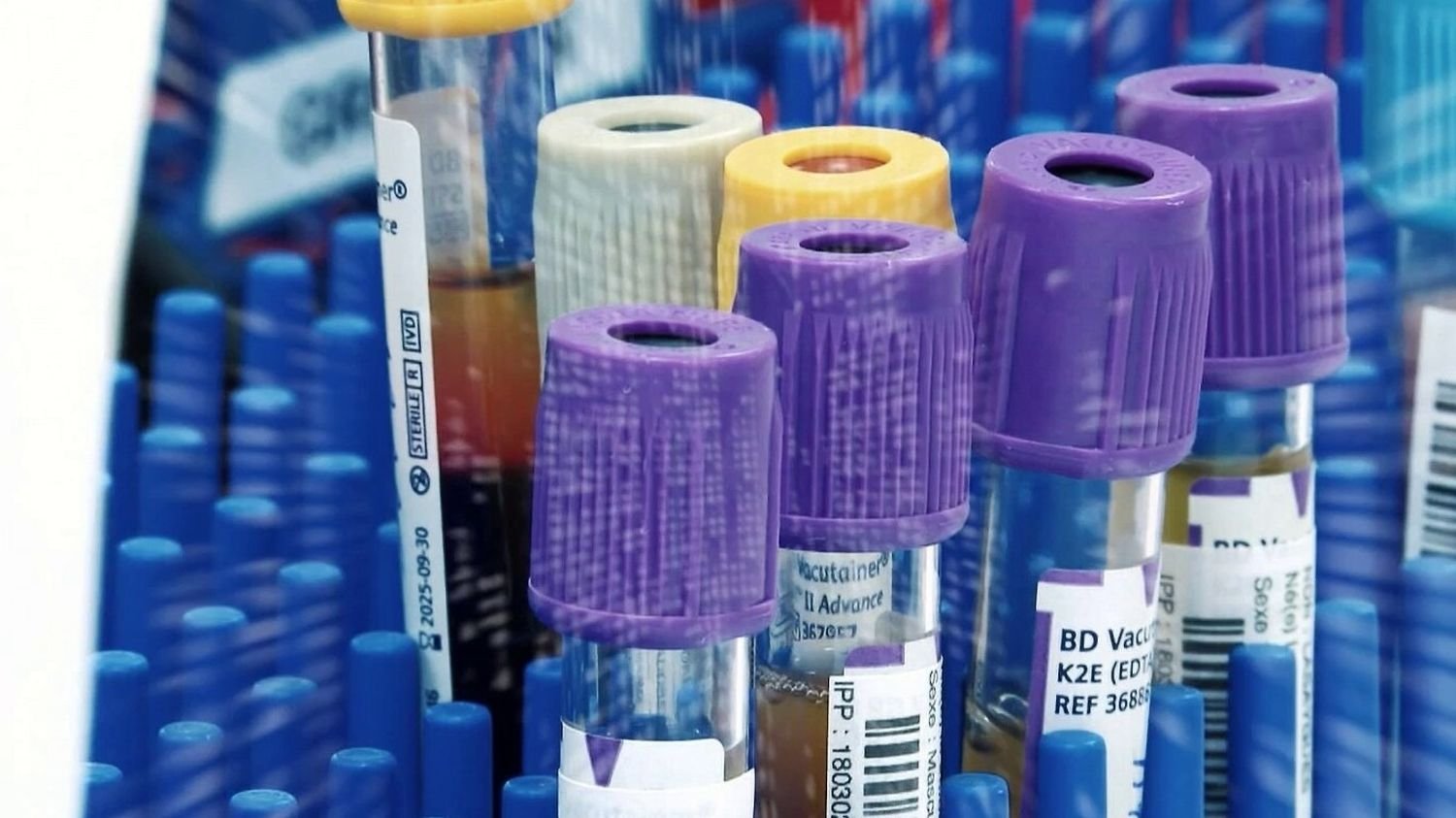
Lucille leaned back in her chair and watched the cursor blink on her screen, waiting for the results of a routine blood panel that never appeared. Instead, the interface froze, a digital stutter that felt uniquely personal given that it held the map of her internal health. She did not know yet that the servers at Cerballiance had been breached, or that the invisible ink of her cholesterol levels and thyroid functions was being skimmed by strangers.
The Fragility of the Digital Specimen
There is a specific kind of vulnerability in having one's biology translated into code. We hand over vials of ourselves in quiet, sterile rooms, trusting that the transition from fluid to data will remain behind a curtain of professional secrecy. When a network like Cerballiance suffers a systematic intrusion, that contract of silence dissolves into a series of packet transfers and unauthorized access logs.
The technical details of the breach—the specific exploits or the timing of the server failures—matter less than the human residue they leave behind. For the millions who rely on these laboratories, the theft is not merely about a credit card number or a home address. It is about the exposure of their most intimate chemical truths, the quiet anxieties of a diagnosis or the relief of a clean bill of health now archived in a dark corner of the web.
Technologists often speak of data as the new oil, but in the context of medical biology, it feels more like a phantom limb. It is part of us, detached and processed, yet still capable of causing pain if manipulated by the wrong hands. The breach reminds us that our bodies are no longer contained within our skin; they exist as distributed ghosts across a thousand servers.
The moment my health records are no longer mine, I feel a strange sense of disembodiment, as if the most private parts of my history have been turned into some stranger's inventory.
The Architecture of Medical Trust
We built these digital systems for the sake of speed, trading the slow rustle of paper files for the instant gratification of a web portal. This efficiency has a hidden cost that we only calculate when the system breaks. In the laboratories, the transition from local storage to centralized cloud networks has created a single point of failure for millions of individual lives.
Security experts often describe defense as a series of walls, but for the patient, it feels like a glass cabinet. We want our doctors to see through it clearly, yet we are horrified when the glass shatters. The Cerballiance incident is a stark illustration of how the industrialization of health data creates a massive incentive for digital theft, turning a routine check-up into a high-stakes asset.
When engineers rush to connect every diagnostic tool to the internet, they often overlook the psychological weight of what they are transporting. A laboratory report is not just a document; it is a narrative of a person's life, their fears for the future, and their physical limitations. To lose control of this narrative is to lose a piece of one's agency.
The response to these attacks usually involves a standard rotation of apologies and password resets, but these gestures feel hollow against the permanence of a data leak. Once a biological secret is out, it cannot be unlearned. The digital footprint of our health is a permanent record, a shadow that follows us through every insurance application and job interview of our future.
As the cleanup begins and the servers are brought back online, a quiet shift occurs in the waiting rooms. People look at the phlebotomist not just as a healer, but as a data entry clerk. We realize that the needle prick is only the beginning of a much longer, more dangerous journey for the drops of red we leave behind. The sun sets over a laboratory in Paris, the lights flickering as the technicians work to patch the holes, while somewhere else, a file containing a thousand life stories is opened by someone who was never meant to read them.

Free PDF Editor — Edit, merge, compress & sign