







The Kill Switch Anxiety: Why European Tech Leaders are Watching Washington with Dread
The Shadow of the Red Button
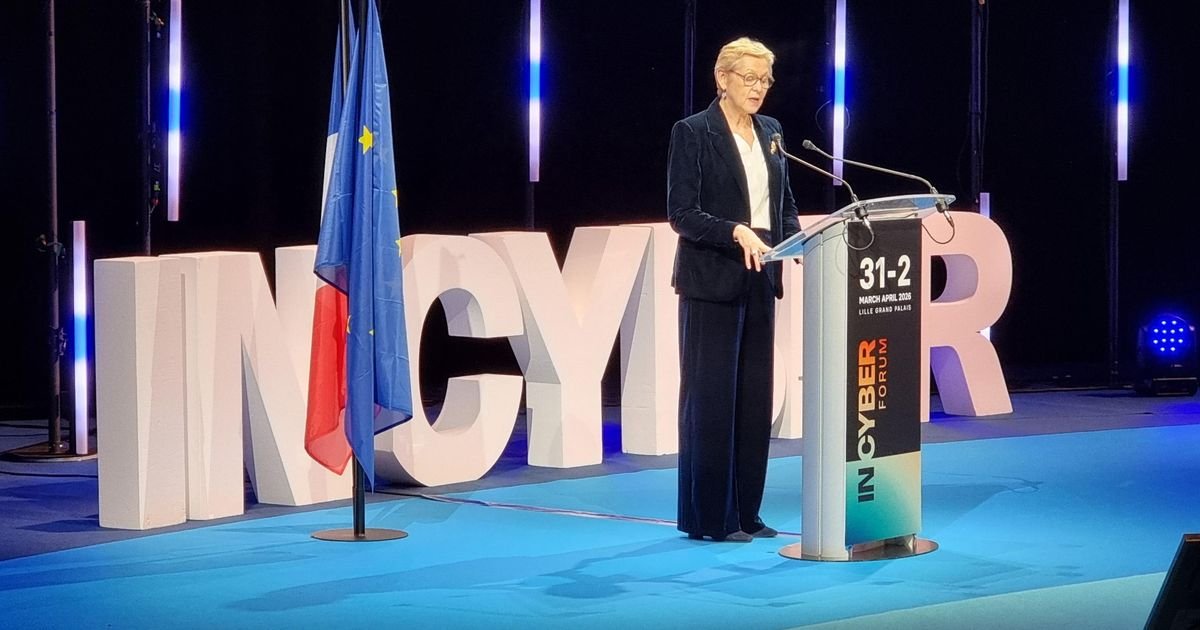
In a dimly lit corridor of the InCyber Forum in Lille, the air felt heavier than the usual humidity of a tech trade show. The chatter wasn't about the newest encryption standards or the latest venture capital rounds. Instead, conversations kept drifting back to a singular, nagging anxiety: what happens if the plug gets pulled from the other side of the Atlantic?
For years, Europe has built its digital house on land it doesn't own. From the servers that store government secrets to the office tools used by every local bakery, the plumbing of the continent is almost exclusively American. This reliance has long been a matter of convenience, but internal shifts in U.S. politics have turned that convenience into a potential liability. The ghost of a 'digital kill switch'—the idea that a future administration could simply deactivate access to vital services—is no longer a fringe conspiracy theory.
The mood among the gathered CEOs and policy makers is one of sudden, sharp awakening. They are realizing that in a world where software is the new hard power, Europe has effectively outsourced its sovereignty to Silicon Valley and the whims of the White House. It is a colonial dynamic, albeit one built with fiber optics and cloud credits rather than muskets and ships.
A Dependency Decades in the Making
This didn't happen overnight. It was a slow, comfortable slide into obsolescence. While American giants were building sprawling data centers and proprietary operating systems, Europe focused on regulation and privacy. It won the battle of the rulebooks but lost the war of the platforms. Now, the Specter of the Red Button looms over every decision involving public infrastructure or national security.
The fear isn't just about a total blackout. It is about the subtle pressure that comes with being a tenant. If a foreign power holds the keys to your email, your banking data, and your defense communications, they don't need to fire a shot to influence your policy. They just need to hint at a service update or a change in terms of use. The software becomes a leash, and at the end of that leash is a political climate in Washington that is increasingly inward-looking and unpredictable.
The digital map of Europe is currently drawn in colors that don't belong to the continent.
Engineers at the forum spoke of 'digital strategic autonomy' with a sense of urgency that bordered on desperation. They know that building a European alternative isn't just a matter of writing better code. It requires a massive shift in how capital flows and how governments procure technology. You cannot build a fortress if you are still buying the bricks from the person who might become your rival tomorrow morning.
The Long Walk Toward Sovereignty
Trying to decouple from the American stack is like trying to replace the engines of a plane while it is flying at thirty thousand feet. Every sector, from healthcare to logistics, is so deeply integrated with Microsoft, Google, and Amazon that a sudden divorce would lead to immediate chaos. Yet, the consensus in Lille was that the cost of doing nothing is starting to outweigh the pain of a messy transition.
There is a growing movement to fund domestic cloud providers and open-source initiatives that can act as a safety net. It is a race against a clock that is being wound by distant voters in swing states like Pennsylvania and Michigan. European tech founders are finding themselves in the strange position of having to explain to investors that their biggest threat isn't a better product from a competitor, but a stroke of a pen in the Oval Office.
Outside the venue, the rain began to slick the streets of Lille. Inside, a junior developer stared at his laptop screen, his face illuminated by the blue light of a terminal window. He was accessing a server located in Virginia to fix a bug for a client in Paris. He paused for a second, his fingers hovering over the keys, before hitting enter. The command went through, the connection held, and for today, the lights stayed on.
Social Media Planner — LinkedIn, X, Instagram, TikTok, YouTube